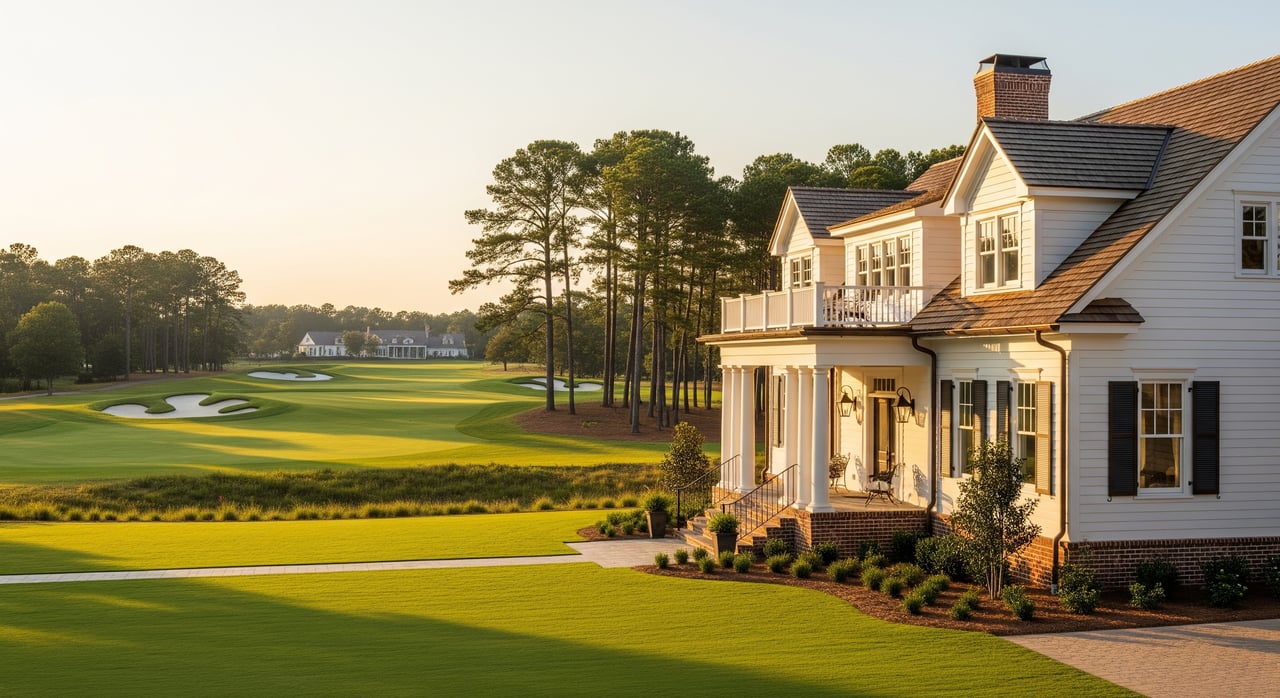
What is your Pinehurst golf-course home really worth today? If you back a fairway or overlook a signature green, you already know your property isn’t “typical.” Views, membership rules, and tournament buzz can all shift the price. In this guide, you’ll learn the exact factors that matter in Pinehurst, how to use local comps the right way, and what to watch for before you set a list price. Let’s dive in.
Pinehurst market context
Golf destination demand
Pinehurst is a nationally recognized golf hub anchored by Pinehurst Resort and multiple championship courses. That reputation draws retirees, second-home buyers, seasonal residents, and golf enthusiasts. The buyer pool is unique, which can support a premium for well-located homes along the course. Tournament schedules and resort amenities can also boost interest around key dates.
Seasonal timing and supply
Buyer activity in Pinehurst often rises in spring, early summer, and fall when golf demand is strongest. Golf-course homes are a niche segment, so supply can be tighter than the broader single-family market. If the resort or a club announces course renovations or membership changes, values nearby can move. Monitoring these factors helps you time your pricing and launch.
What adds value on the course
Course prestige and hole position
- A home facing a prestigious course generally commands more interest than one along a lesser-known track.
- Green-front or fairway-front locations typically bring the highest premium. A buffer, cart path, or additional distance can reduce that premium.
- Views of a finishing hole, water feature, or signature hole increase appeal. Homes near a tee box or driving range can bring trade-offs like more sound and ball flight.
View quality, lot, and drainage
- Unobstructed, wide views are valuable. Tall trees or potential future development can limit the view premium.
- Lot size and topography matter. Elevated lots that capture long views often price higher.
- Drainage is a pricing factor. Low-lying areas and parcels within FEMA flood designations can reduce value and increase insurance costs.
Home condition and daily living features
- Overall condition and age drive price. Recent upgrades to kitchens, baths, HVAC, windows, and roofs support stronger list prices.
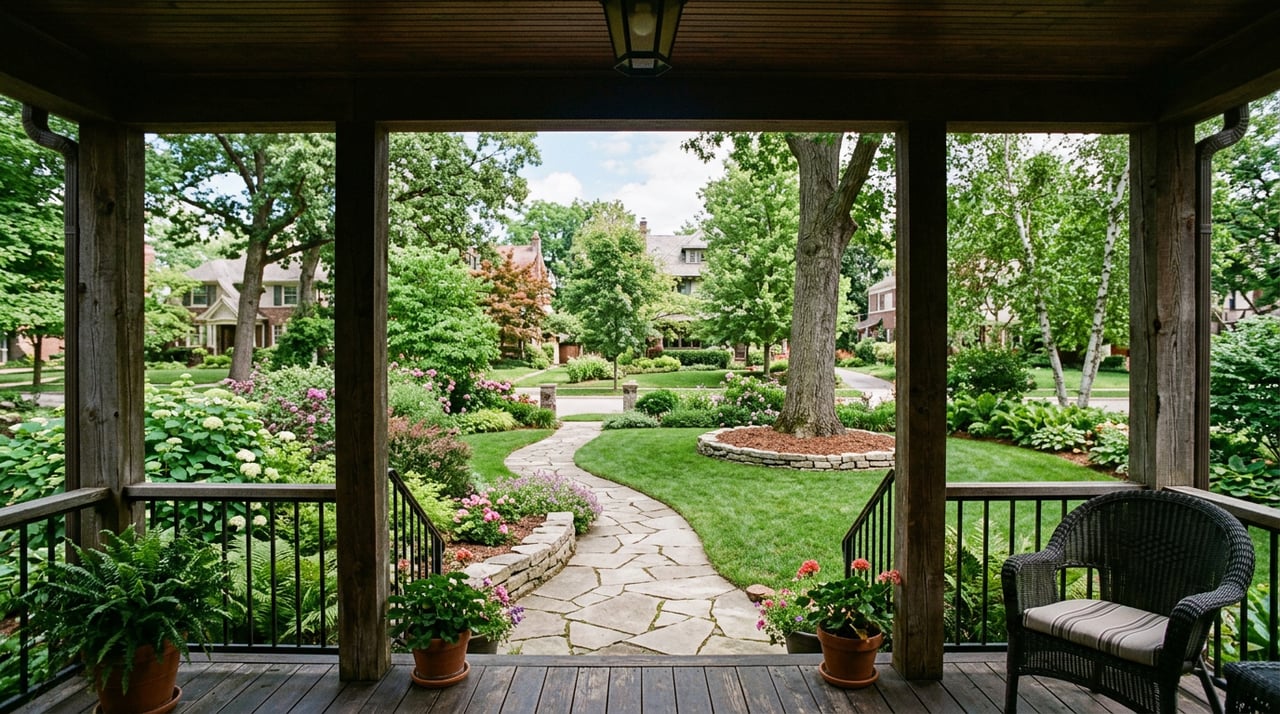
- Outdoor living spaces oriented to the course, like screened porches, patios, and balconies, add measurable appeal.
- Storage for golf gear and covered space for carts can help your home stand out with the Pinehurst buyer mix.
- Single-level living and accessibility features can broaden the buyer pool.
Membership, HOA, and proximity
- Membership availability and cost matter. Know initiation fees, monthly dues, and any rules tied to the property.
- HOA fees and services, including landscaping buffers or cart-path maintenance, influence net marketability.
- Convenient access to clubhouse amenities and village resources can be a plus for many buyers.
Externalities to price in
- Early-morning course maintenance, aeration schedules, and pesticide applications are part of golf life.
- Errant golf balls are more common near tee boxes. Some homes may need screens or nets, and insurance considerations may apply.
- Views can change if holes are altered, new homes are built, or trees mature. That volatility should be considered in pricing and negotiations.
How to price with real comps
Start with closed sales on the same course
Focus on 3 to 6 recent closed sales that match your course, hole location, view quality, lot size, square footage, and condition. Give priority to homes with similar proximity to the green or fairway. If you can’t find enough on the same course, use closely comparable nearby courses with similar prestige.
Adjust for course-specific premiums
Appraisers look at how the local market reacts. The premium for a green-front home next to a championship course can differ from a home along a more modest course. Your adjustments should reflect proven buyer behavior in Pinehurst, not national averages.
Anticipate appraisal challenges
Golf-course homes have a smaller pool of true comps, so pricing certainty can be trickier. Values can also lag during short-term spikes around tournaments. If your home has short-term rental income, some appraisers may consider it, but most emphasize sales comparison unless it is primarily an investment property.
Prepare a market-evidence package
- A hole map that shows where the home sits relative to fairways, greens, tee boxes, and cart paths
- Photos that highlight view corridors and outdoor living areas
- Details on club membership types, initiation fees, and monthly dues
- Any resort or club announcements that could affect value
This documentation helps justify your price to buyers and supports the appraiser’s work.
Costs that impact buyer decisions
Membership and HOA math
Confirm whether memberships transfer with the property or require a new application and initiation fee. Outline dues, guest policies, and usage rules. Include HOA fees and services in your pricing strategy so buyers can compare apples to apples.
Insurance, flood, and liability
Homeowner insurance varies by construction, age, and proximity to trees or water. Homes near tees or fairways can face additional liability exposure from golf balls. Some carriers require endorsements or higher premiums. Check flood risk for parcels near ponds or low-lying areas and verify flood zone status before you set price and terms.
Taxes, assessments, and closing costs
Review the current assessed value and whether the community has had special assessments for improvements. In North Carolina, transfer taxes and customary closing costs apply. Some associations also charge transfer or setup fees.
Rules and disclosures
Confirm zoning and HOA covenants, including any restrictions on short-term rentals or exterior changes that require review. Disclose known nuisances, easements for cart paths or maintenance access, and any club policy changes tied to the property. Clear documentation builds trust and can protect your price in negotiations.
Step-by-step pricing plan for sellers
-
Document your golf adjacency. Identify the exact hole, distance to the green or tee, and whether your yard backs the fairway. Note cart paths, buffers, or easements that affect privacy and use.
-
Gather closed comps. Pull sales from the last 6 to 12 months on the same course first, then nearby comparable courses. Prioritize view, orientation, lot, and condition.
-
Verify membership details. List membership type, initiation fees, monthly dues, transfer rules, and guest policies. Make it easy for buyers to understand the value proposition.
-
Evaluate condition and upgrades. Tally recent improvements and get quotes for high-impact repairs. Addressing key items can widen your buyer pool and support a stronger price.
-
Assemble visuals. Capture wide, unobstructed view photos and outdoor spaces. Add an aerial or hole-overlay map to showcase position.
-
Check risk and rules. Confirm flood status, insurance considerations, and HOA covenants. Organize disclosures in advance.
-
Run pricing scenarios. Model conservative, market, and aspirational list prices with estimated days on market and likely buyer types.
-
Time the launch. Aim for high-interest golf periods when possible, and coordinate with any resort or club announcements that could bolster demand.
-
Consider third-party input. If your home is unique or the course is under renovation, a pre-listing appraisal or broker price opinion can reduce uncertainty.
Smart evaluation tips for buyers
- Ask exactly which hole the home faces and how far it is from the tee or green. Request a history of errant balls or other nuisances.
- Verify whether a club membership transfers, the total cost to activate, and the type of access you will receive.
- Review HOA rules, fees, and any restrictions on rentals or exterior changes.
- Confirm flood zone status and estimate insurance premiums, including any liability endorsements.
- Compare the view premium with day-to-day trade-offs like sound, cart traffic, and early maintenance.
- Consider how potential course changes or tree growth could affect your long-term view and resale.
Why partner with Meese Property Group
Pricing a Pinehurst golf-course home is part local data and part on-course nuance. You want a team that knows the hole-by-hole details and backs your strategy with process. Meese Property Group is rooted in the Sandhills, combining neighborhood expertise with disciplined systems that keep your sale on track.
- Hyperlocal guidance for Pinehurst, Southern Pines, and surrounding golf communities
- A repeatable pricing process built on closed comps, market-evidence packages, and proactive appraiser support
- End-to-end ownership solutions, including long-term property management and short-term rental management through our sister companies
- Clear communication and a client-first approach for sellers, buyers, relocations, and second-home owners
Ready to price with confidence or evaluate a golf-course purchase? Connect with the team at Meese Property Group to Request a Personalized Consultation.
FAQs
How do golf views impact price in Pinehurst?
- There is no one-size-fits-all premium. In Pinehurst, the impact depends on course prestige, exact hole position, view width, and recent local closed sales.
When is the best time to list a Pinehurst golf-course home?
- Spring, early summer, and fall often attract more buyers. Aligning your launch with peak golf interest and positive club news can help.
What should I disclose when selling a home on a course?
- Disclose known nuisances, easements for cart paths or maintenance, membership status and fees, and any course or policy changes that affect use or value.
Do club memberships transfer with the home in Pinehurst?
- Policies vary by club. Some memberships are separate from the real estate and require a new application and initiation fee, while others may offer transfer options.
How do appraisers value golf-course homes with few comps?
- They prioritize the best available closed sales and adjust for orientation, view, lot, and condition. A detailed market-evidence package can support your value.
Is flood insurance common for Pinehurst golf-course homes?
- It depends on the parcel. Homes near ponds or low-lying areas may fall in designated flood zones. Always verify the property’s flood status before you price or offer.