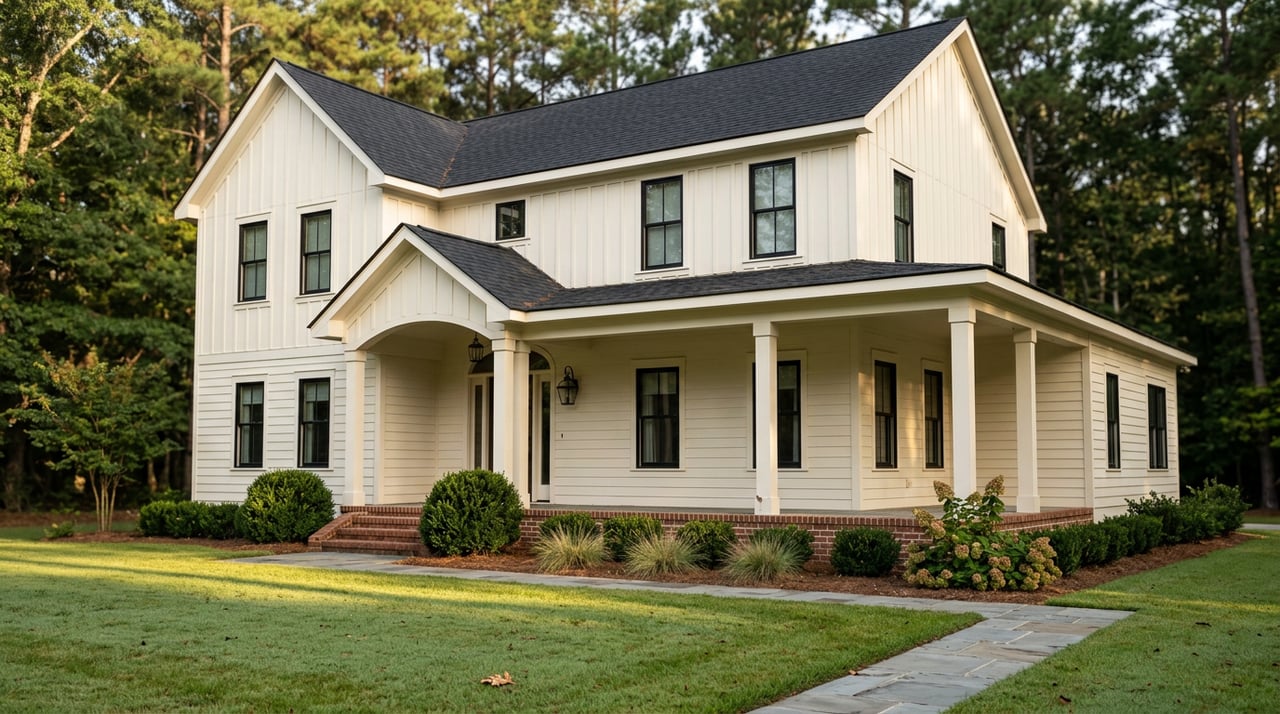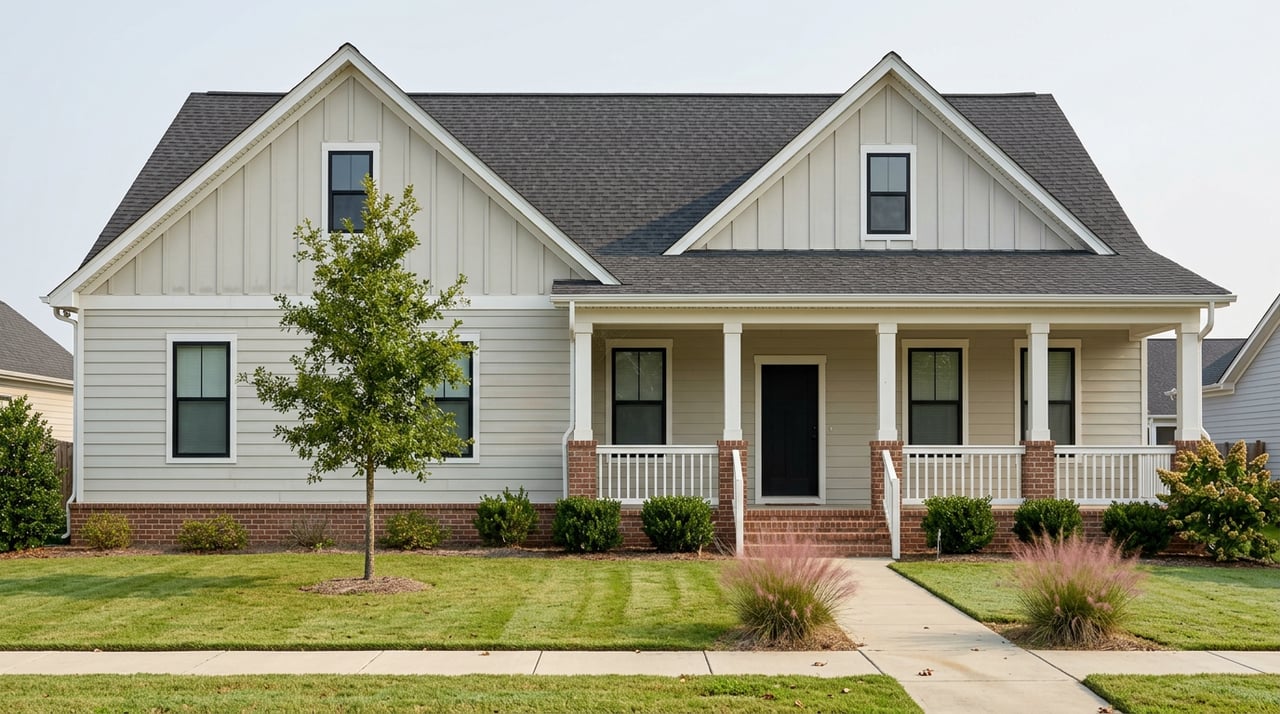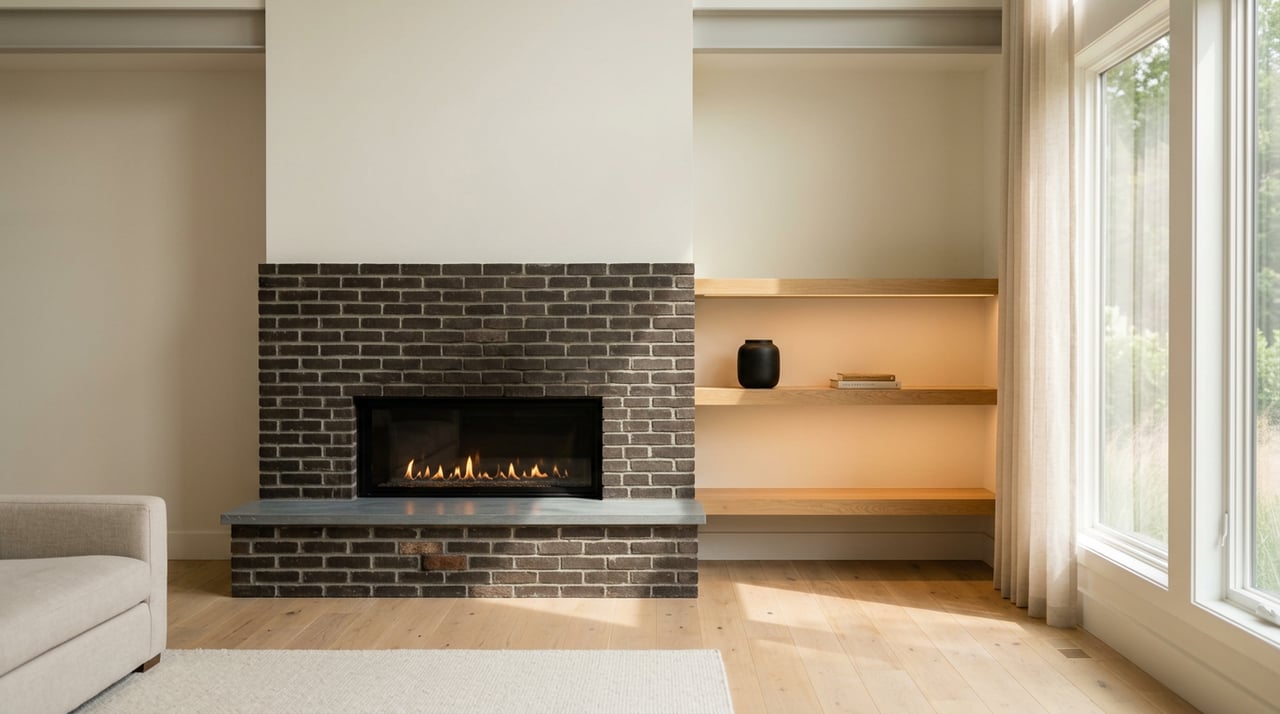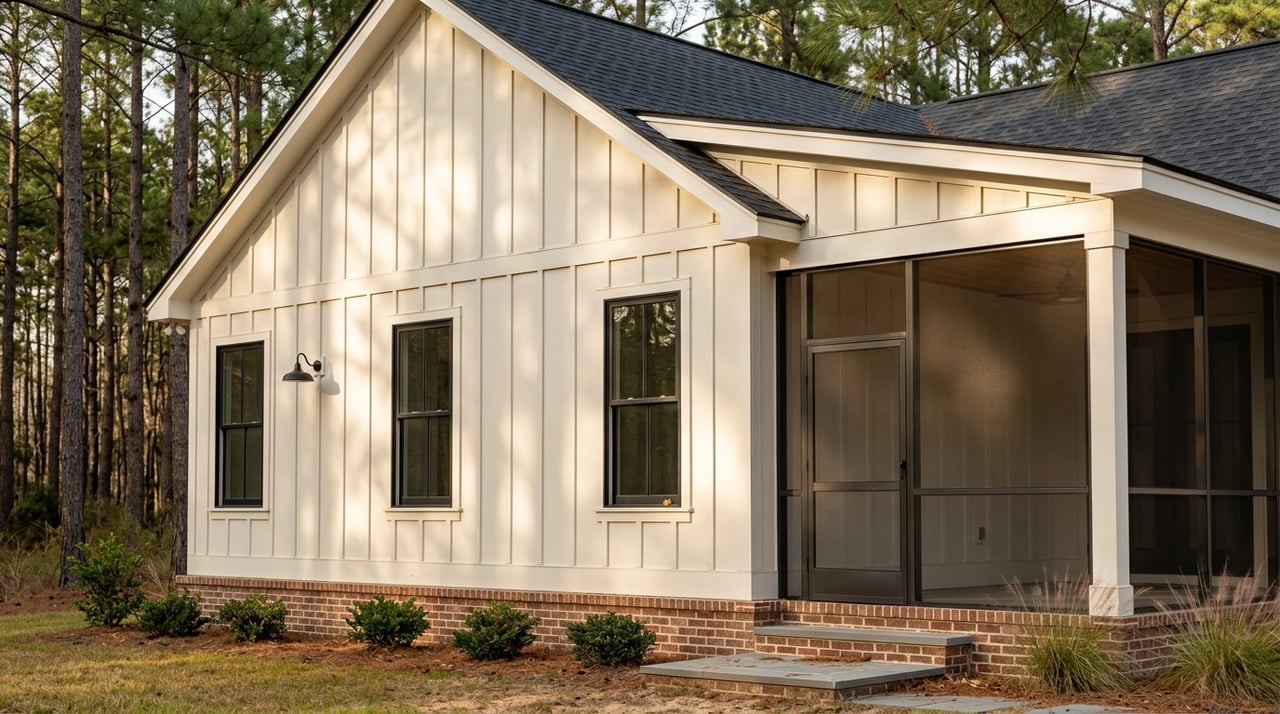
Trying to decide between a brand-new build and a charming resale in Pinehurst? You’re not alone. In a village known as the “Home of American Golf,” neighborhoods range from historic streets near the resort core to gated golf communities with modern amenities. In this guide, you’ll get a clear, Pinehurst-specific look at warranties, timelines, maintenance, financing, and local due diligence so you can choose with confidence. Let’s dive in.
Pinehurst at a glance
Pinehurst blends a National Historic Landmark village core with master-planned golf communities and newer subdivisions. That historic fabric shapes everything from lot size to renovation rules. The Village’s Local Historic District standards document typical Old Village lots around 0.3–0.5 acres and outline design controls that influence exterior changes and additions. You can review those details in the Village’s published standards for the Local Historic District to understand how they may affect your plans.
The resort’s legacy also anchors local demand, second-home interest, and the rhythm of the market. To see how major tournaments and resort activity continue to shape the area, read this overview from Pinehurst Resort about another championship chapter and the village’s golf heritage. Those dynamics are part of why buyers here weigh both lifestyle and long-term value when comparing new construction and resale options.
- Explore historic district characteristics: Village of Pinehurst Local Historic District standards
- Learn more about Pinehurst’s golf legacy: Pinehurst Resort’s community overview
Market snapshot: how to read the data
Median prices you see on public portals can differ from local MLS figures because of timing, definitions, and the mix of homes sold. For Pinehurst, the Longleaf Pine REALTORS rolling-12-month reports are the most reliable source to compare new construction and existing-home medians by submarket. Before you make offers, pull the current Longleaf report for your target neighborhood and price band so you’re comparing apples to apples.
- Check current medians and inventory: Longleaf Pine REALTORS Housing Supply Report
New construction: what you get
New homes in Pinehurst span production builds in planned communities to semi-custom and full custom homes in golf neighborhoods. You’ll typically see modern floor plans, energy-code-compliant systems, and builder-backed warranties. If you want low near-term maintenance and the ability to personalize finishes, this path can be a strong fit.
Key benefits
- New systems and materials with fewer immediate repairs.
- Modern layouts and energy standards set by the building code at permit issuance.
- Builder warranties. Many follow a “1-2-10” structure: one year for workmanship, two for systems, and ten for major structural defects. Ask whether the structural warranty is insured by a third party and get the policy document up front. See typical coverage in this overview of 10-year builder warranties.
Quality controls and compliance
- Code inspections and Certificate of Occupancy are required before closing inside village limits. Confirm which authority issued the building permit and keep copies of all permit and inspection sign-offs.
- Ask for a written construction schedule, a clear change-order policy, and permission to hire independent inspections at key milestones. A pre-drywall inspection often pays for itself.
Helpful resources
- Warranty basics: What a 10-year builder’s warranty covers
- Permit and inspection context: Village of Pinehurst permit/inspection updates
- Construction loan and inspection timing tips: Construction loan guide
Resale homes: what to expect
Resale options range from cottages and homes near the Old Village to established properties in golf communities. You may find mature trees, an established streetscape, and proximity to the village core. In historic areas, lot size, setbacks, and design standards can affect where and how you add on, so study the rules before you plan a major change.
Age-related diligence matters. Older homes can carry deferred maintenance on roofs, HVAC, plumbing, or electrical systems. If a home predates 1978, the EPA’s Renovation, Repair and Painting rule applies to any work that disturbs painted surfaces. That can affect your renovation timeline and cost, so gather documentation early.
- Historic area rules and lot norms: Pinehurst Local Historic District standards
- Lead-safe renovation guidance: EPA RRP rule overview
Lot, utilities, and site checks in Pinehurst
Lot and site
- Lot sizes vary by neighborhood. The Old Village commonly ranges around 0.3–0.5 acres, while golf communities and custom subdivisions can offer larger homesites. Lot size affects drainage, tree preservation, and the feasibility of accessory structures.
Utilities and services
- Moore County Public Utilities serves much of Pinehurst, but some outlying parcels may have different connections or septic systems. Confirm the provider on the listing or by checking local records before you schedule inspections or write offers.
Flood and drainage
- Even inland areas have pockets of flood risk near lakes, streams, and low points. Check the exact parcel in FEMA’s Flood Map Service Center and ask for any Letters of Map Change. Tie this to your insurance planning and due diligence.
Termites and WDI
- Subterranean termites are common in the Sandhills. For both new builds and resales, request a wood-destroying insect report and documentation of any treatments or transferable service agreements.
Useful links
- Utilities orientation: Village of Pinehurst new resident information
- FEMA flood maps: FEMA Flood Map Service Center
- Termite prevention and rules: NC Department of Agriculture termite guidance
Costs and maintenance: plan ahead
A simple planning rule many homeowners use is to budget around 1% of a home’s value per year for routine maintenance and minor repairs. That percentage often rises for older homes or properties with specialized features. The biggest variables are the age of major systems like the roof and HVAC, so verifying installation dates and service records is essential.
New construction
- Lower near-term maintenance due to new systems and materials.
- Expect early soft costs like landscaping establishment, potential HOA startup fees, and window-covering or appliance upgrades that may not be included.
- Set a reminder for an 11th-month warranty inspection to document punch-list items before coverage ends. See the warranty resource above for typical coverage windows and how to file claims.
Resale
- Budget for immediate or near-term replacements if systems are at end of life.
- Mature trees, drainage fixes, and driveway work can be higher-ticket items; get specialist opinions during due diligence.
Financing and timing: key differences
New construction financing
- If you build or buy a not-yet-finished home, you may use a construction or construction-to-permanent loan. These loans fund in draws, have interest-only payments during the build, and require inspections before each disbursement. Clarify the draw schedule and how change orders are handled in writing.
Resale financing
- Standard purchase mortgages apply, and closings are typically faster than building. If you need to move on a set timeline, resale can reduce schedule risk compared with a ground-up build.
Learn the basics
- Construction loan explainer: How construction loans work
Quick side-by-side comparison
New construction
- Lower near-term maintenance and modern energy standards.
- Builder-backed “1-2-10” style warranties. Confirm if a third party insures the structural coverage.
- Personalize finishes and floor plans, but manage build timelines and change-order costs.
- Pre-drywall and final inspections recommended; confirm access and schedule.
Resale homes
- Architectural character, mature landscaping, and established neighborhoods.
- Possible immediate capital items: roof, HVAC, water heater, or electrical updates.
- Historic districts may limit exterior changes; confirm design rules and permits early.
- Faster closing potential with conventional financing; thorough inspections are still essential.
Your due diligence checklists
When touring new construction
- Request the full warranty packet and confirm the structural warranty is third-party insured. Review coverage limits and claim process in writing.
- Ask for the permit number, inspection history, and who issued the building permit. Save copies for your file.
- Confirm whether you can hire independent inspectors for pre-drywall and final walkthroughs, and put inspection dates on the calendar now.
- Verify termite pre-treatment and whether a service agreement transfers at closing.
- Get the construction schedule, change-order policy, and draw/escrow terms from your lender and builder in writing.
References: Builder warranty overview, Permit/CO info, Construction loan guide, NC termite guidance
When touring a resale
- Ask for service records and ages of roof, HVAC, water heater, electrical panel, and any septic system.
- Request any recent wood-destroying insect reports and details on treatments or transferable bonds.
- If the home predates 1978, ask for lead-paint test results and documentation of any RRP-compliant work.
- Review HOA documents for coverage, fees, and reserves, if applicable.
- Ask about drainage history and past storm events, then verify the parcel in FEMA’s map.
References: EPA RRP rule, FEMA maps, NC termite guidance
In your contract period
- Schedule a full home inspection plus specialists as needed: roof, HVAC, crawlspace, termite/WDI, irrigation, and septic where applicable.
- For new builds, plan pre-drywall and 11th-month inspections to capture warranty items.
- Confirm utilities provider and account setup details early to avoid surprises at move-in.
- Verify flood zone status and any Letters of Map Change for insurance planning.
- Request permits and final inspections or a Certificate of Occupancy, and check for any unpermitted work.
References: Utilities info, FEMA maps, Permit/CO info
Which is right for you?
If you want turnkey living, modern systems, and warranty coverage, new construction can offer peace of mind. If you value character, mature landscaping, and proximity to the village core, a resale may be the better fit, with careful budgeting for updates. The best choice comes down to your timeline, renovation appetite, and how much you value location and lot characteristics in Pinehurst.
Ready to compare specific neighborhoods, builders, or listings? Get Pinehurst-focused guidance, a clear plan for inspections and financing, and end-to-end support for ownership and investment through Meese Property Group. Request a Personalized Consultation.
FAQs
How should I compare prices for new vs. resale homes in Pinehurst?
- Use the local MLS for the most reliable view. Pull the latest Longleaf Pine REALTORS rolling-12-month report for your target area and property type to compare medians and inventory: current report.
What does a 1-2-10 builder warranty usually cover on new construction?
- Typically one year for workmanship, two for systems distribution, and ten for major structural defects; confirm whether the structural coverage is insured by a third party and review the exact policy: warranty overview.
Do Pinehurst historic district rules affect renovations on resale homes?
- Yes. The Local Historic District has design standards that guide exterior changes, additions, and materials, which can affect cost and timing; review the standards before planning work: district standards.
Do I need to check flood risk if I’m not near a lake or stream?
- Yes. Drainage low points can exist away from visible water; always check your parcel in FEMA’s map and ask for any Letters of Map Change during due diligence: FEMA maps.
What inspections should I plan for when buying in Pinehurst?
- Plan a general home inspection plus targeted specialists (roof, HVAC, termite/WDI, crawlspace, septic if applicable); for new construction, add pre-drywall and an 11th-month warranty inspection to capture items within coverage: inspection timing guide.