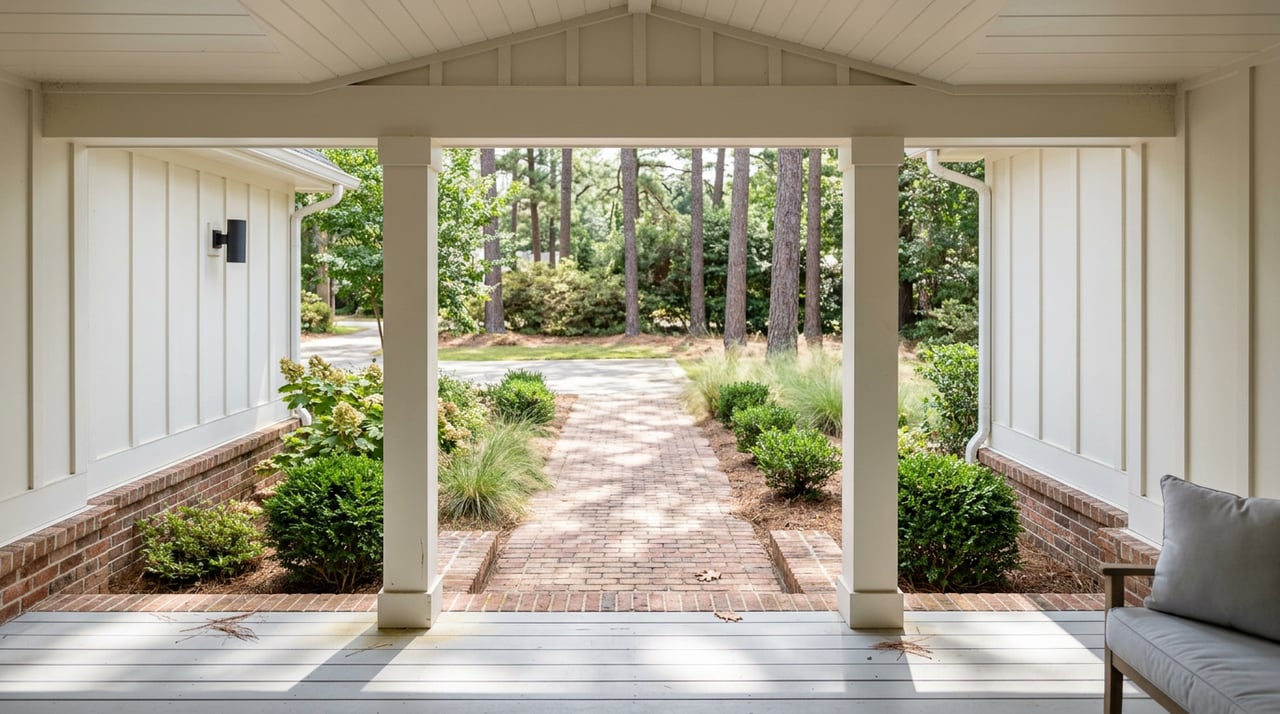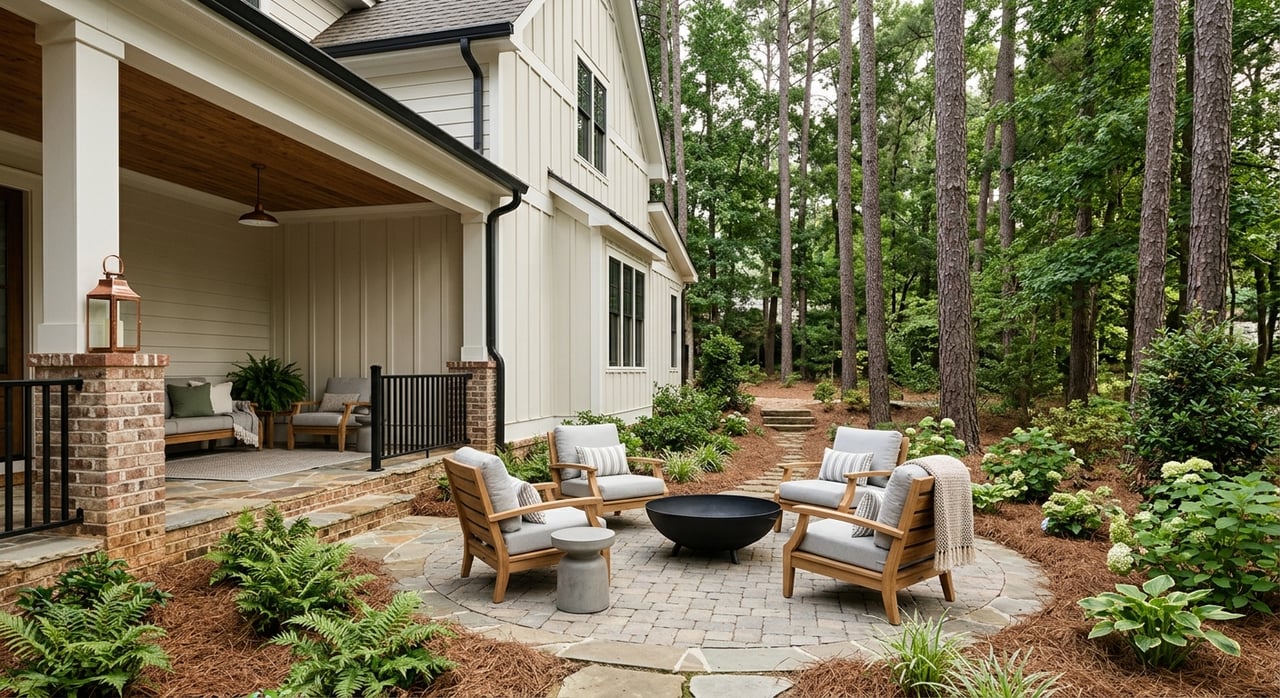
If you want your Southern Pines home to feel bigger, more comfortable, and easier to enjoy year-round, your outdoor space matters more than you might think. In the Sandhills, a great backyard is not just about looks. It also needs to handle heat, rain, sandy soil, and the upkeep that comes with all three. The good news is that with the right design choices, you can create an outdoor living space that feels inviting, works with the local climate, and supports long-term value. Let’s dive in.
Why Southern Pines Outdoor Design Is Different
Southern Pines sits in North Carolina’s Sandhills, part of the Coastal Plain, where soils are typically sandy, fast-draining, and naturally acidic. According to NC State Extension’s native plant guidance, that means your outdoor design needs to account for drainage, mulch, and soil testing, not just furniture and finishes.
The local climate also shapes what works best outdoors. Using nearby regional climate normals, NOAA data shows winter highs in the upper 40s, summer highs around 90°F, and nearly 47 inches of annual precipitation. In practical terms, that points to outdoor spaces that prioritize shade, airflow, and plant choices that can handle both wet and dry stretches.
Start With Shade and Shelter
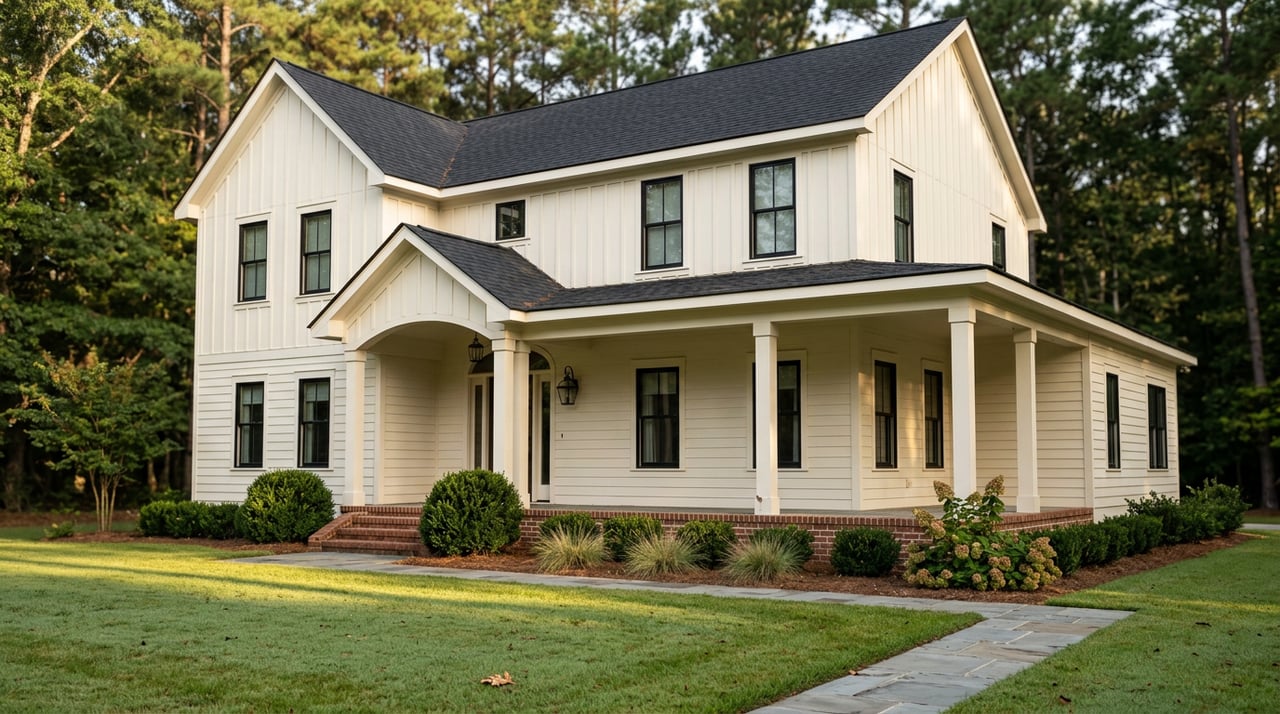
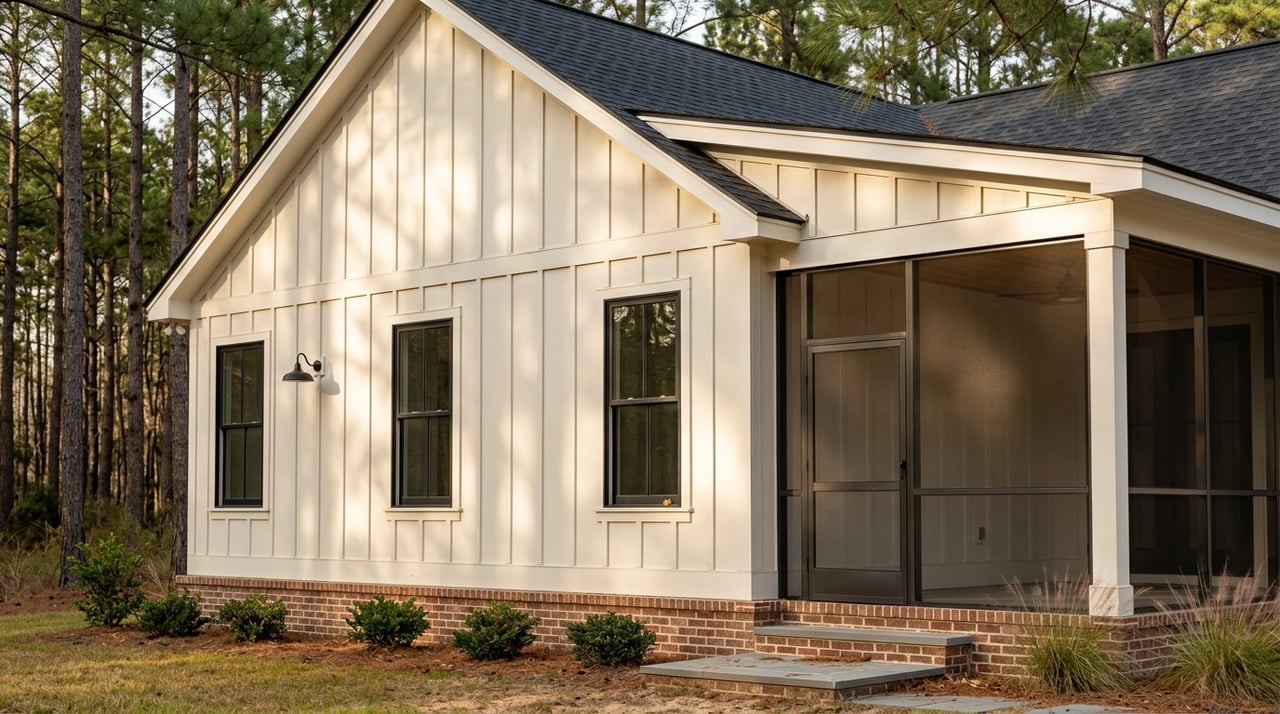
In Southern Pines, comfort often starts with sun protection. Covered porches, screened porches, and shaded seating areas make sense in a warm, rain-influenced climate because they help you use the space more often, even during hot afternoons or passing storms.
If you are planning a patio or sitting area, think about how the space will feel in July, not just how it looks in spring photos. A pergola, roof extension, or screened section can make the area more practical for everyday use. This also helps your yard read as true living space instead of just extra square footage outside.
Create Defined Outdoor Zones
One of the simplest ways to make a yard feel polished is to give it structure. Instead of one large open lawn, think in terms of zones for dining, relaxing, grilling, or gathering around a fire feature.
This approach also fits local maintenance needs. NC State recommends limiting turf to play and entertainment areas and using alternatives like mulch, decks, paths, and drought-tolerant ground covers elsewhere. In Southern Pines, that can mean a smaller lawn paired with a patio, a path to a seating area, and mulched planting beds that are easier to maintain.
Choose Hardscapes That Lower Upkeep
Large lawns can require more water and regular maintenance than many homeowners expect. If your goal is a cleaner look with less work, hardscape elements like patios, walkways, and defined seating pads can do a lot of the heavy lifting.
These features also help organize sandy sites that drain quickly. A well-planned mix of decks, paths, and mulched beds can reduce muddy traffic areas during rainy periods while cutting back on the amount of grass you need to mow and water. Done well, the result feels orderly, durable, and very usable.
Use Plants That Fit the Sandhills
A strong outdoor living design is not only about the built space. The planting plan is what makes everything feel settled and local.
For Southern Pines, it helps to focus on native Coastal Plain and Sandhills plants that are already suited to sandy, acidic conditions. NC State’s native plant resources include options such as live oak, loblolly pine, willow oak, yaupon holly, wax myrtle, switchgrass, and little bluestem.
For more Sandhills-specific choices, sandhills ironweed does well in well-drained sandy soil and is drought tolerant once established. The same NC State resource notes that longleaf pine is suitable for the Sandhills and deep sandy soils. These types of plants can help your yard feel more natural to the region while reducing the need to fight your site conditions.
Be Smart About Trees Near the Home
Large trees can make a backyard more comfortable, but placement matters. Broad shade trees are often best used around the perimeter rather than crowded close to the house.
For example, NC State notes that live oak is adapted to sandy, acidic, well-drained soils, making it a good regional fit. At the same time, it is also classified as highly flammable for defensible-space planning, so it is better suited away from the immediate home perimeter.
Closer to the house, lower-flammability choices may be a better fit. NC State’s fire-resistant landscaping guide highlights plants such as flowering dogwood, American hornbeam, eastern redbud, and bird-foot violet for areas nearer the home.
Keep the First Five Feet Simple
One of the most practical design tips for Southern Pines homes is to pay close attention to the area right next to the house. NC State recommends a 5-foot zone near the home that avoids combustible debris, uses nonflammable mulch such as gravel or decomposed granite, and keeps plants spaced.
That same guidance also recommends removing needles and leaves from decks, patios, fences, and roofs. This matters in the Sandhills, where fire seasons are typically spring and fall. A clean, intentional border around the home can improve both appearance and day-to-day peace of mind.
Mulch the Right Way
Mulch does more than make beds look finished. It also helps suppress weeds and conserve moisture, which is especially useful in sandy soil that dries out quickly.
According to NC State planting guidance, a 3- to 4-inch layer of organic mulch works well for perennial beds, and you should not exceed 4 inches. Pine needles can be especially effective because water and air can still move through the bed.
Rethink How Much Lawn You Really Need
Many homeowners assume a larger lawn always adds appeal, but that is not always the best fit for the Southern Pines climate. NC State explains that turf often requires the most water and maintenance in the landscape, so it makes sense to use grass only where it serves a clear purpose.
If you want lawn for pets, play, or a flexible gathering area, bermudagrass and zoysiagrass are listed as drought-tolerant options adapted to North Carolina. Watering should also respond to rainfall and heat instead of following a rigid schedule. The goal is not a yard that looks dry and bare, but a landscape that can handle both wet and dry conditions with less stress.
Test Soil Before You Add Anything
Because Southern Pines soils are naturally acidic, adding lime or fertilizer without a test can waste time and money. Before you make major planting upgrades, it is smart to start with a soil report.
NC State notes that NCDA and CS soil analysis is available at no charge, and the results can show whether lime is needed to correct low pH. This one step can help you make better decisions before investing in beds, shrubs, or lawn improvements.
Add Fire Features Carefully
A fire pit can be a strong lifestyle feature in Southern Pines, especially in cooler months, but it needs to be designed and used correctly. In town limits, residential open burning is not allowed, and state rules prohibit burning trash and other non-vegetative materials.
The Town of Southern Pines states that portable outdoor fireplaces, chimineas, and fire pits are allowed without a burning permit only when the container is wholly non-combustible, only natural firewood or commercial logs are burned, setback rules are met, and the fire is constantly attended with extinguishing equipment nearby. The town also notes on its burn permit information page that campfires and outdoor cooking fires are allowed only when local ordinances and burn bans permit. If a fire feature is part of your plan, treat it like a real outdoor amenity, not a casual burn area.
Think About Resale While You Design
Even if you are updating your yard for your own enjoyment, it helps to think ahead. Outdoor improvements can shape how buyers experience a home, especially when the space feels neat, durable, and easy to maintain.
The National Association of REALTORS® reports in its outdoor features remodeling impact report that 92% of REALTORS® recommend improving curb appeal before listing, and 97% say curb appeal is important in attracting a buyer. The same report found that 68% of consumers felt a greater desire to be at home after completing an outdoor project.
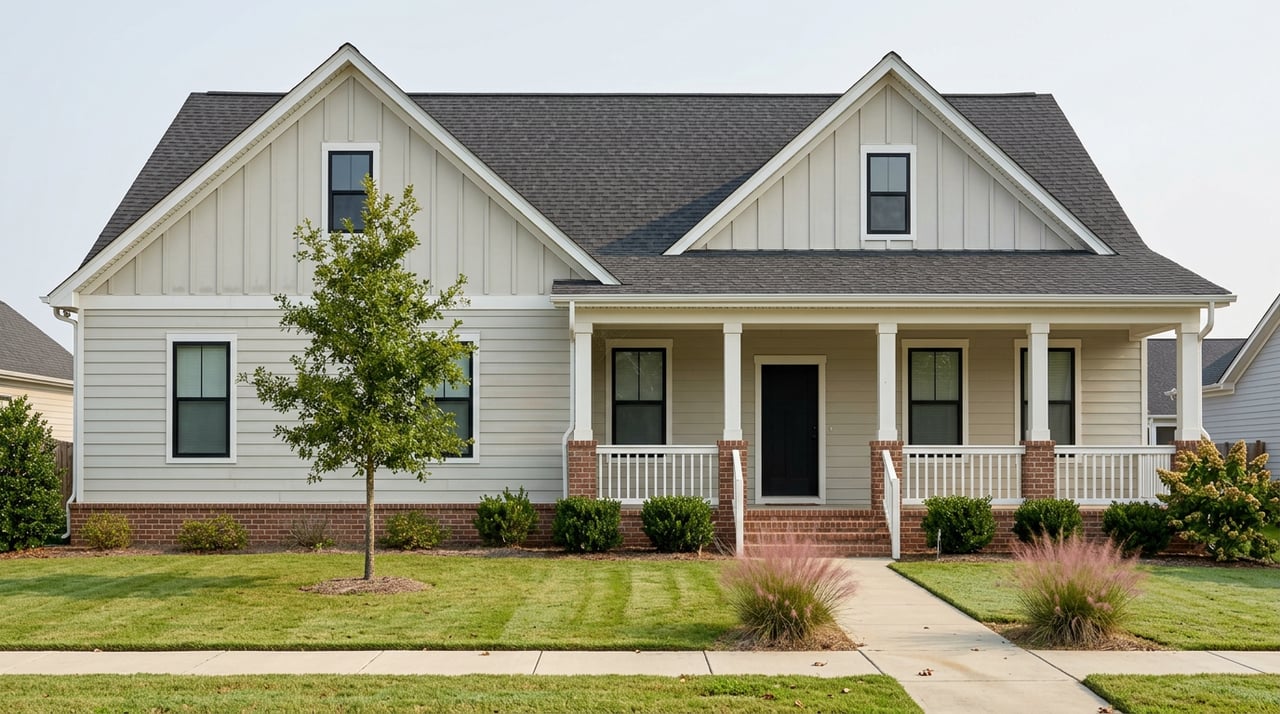
For Southern Pines homes, the sweet spot is often a yard that feels intentional without feeling high-maintenance. Covered seating, manageable planting beds, clear pathways, and region-appropriate landscaping can all help your home show as comfortable and well cared for.
A Practical Outdoor Living Checklist
If you are planning updates, focus on choices that match the Sandhills climate and support everyday use:
- Add shade with a covered porch, screened area, or pergola
- Break the yard into zones for dining, relaxing, and gathering
- Limit turf to spaces where you will actually use it
- Use native or region-appropriate plants suited to sandy, acidic soil
- Keep highly flammable plants away from the immediate house perimeter
- Maintain a simple 5-foot zone near the home with low-combustible materials
- Mulch perennial beds correctly to help retain moisture
- Soil-test before adding fertilizer or lime
- Follow Southern Pines rules before installing or using a fire pit
- Design for a clean, durable look that supports future resale
Whether you are preparing to buy, getting ready to sell, or improving a home you plan to keep, thoughtful outdoor design can make a real difference in how a property lives and how it is perceived. If you want local guidance on what features make sense for your home, your lot, and your long-term goals in Southern Pines, connect with Meese Property Group.
FAQs
What outdoor living features work best for Southern Pines homes?
- Covered porches, screened porches, shaded seating areas, patios, and defined outdoor zones work well because Southern Pines has hot summers, regular rainfall, and sandy soils that benefit from lower-maintenance design.
What plants are suitable for Southern Pines landscaping?
- Native and region-appropriate options for the Sandhills and Coastal Plain include plants identified by NC State such as yaupon holly, wax myrtle, switchgrass, little bluestem, longleaf pine, and Sandhills ironweed, depending on placement and site conditions.
What should homeowners know about fire pits in Southern Pines?
- Fire pits and similar outdoor fire features may be allowed without a permit only if they meet Town of Southern Pines requirements for non-combustible construction, approved fuel, setbacks, constant attendance, and nearby extinguishing equipment.
Why is soil testing important for Southern Pines yards?
- Southern Pines soils are generally sandy and naturally acidic, so a soil test can show whether lime or other amendments are actually needed before you spend money on lawn or planting improvements.
How can outdoor upgrades help resale in Southern Pines?
- Outdoor improvements can support curb appeal and livability, and buyers often respond well to spaces that feel attractive, usable, and easy to maintain in the local climate.