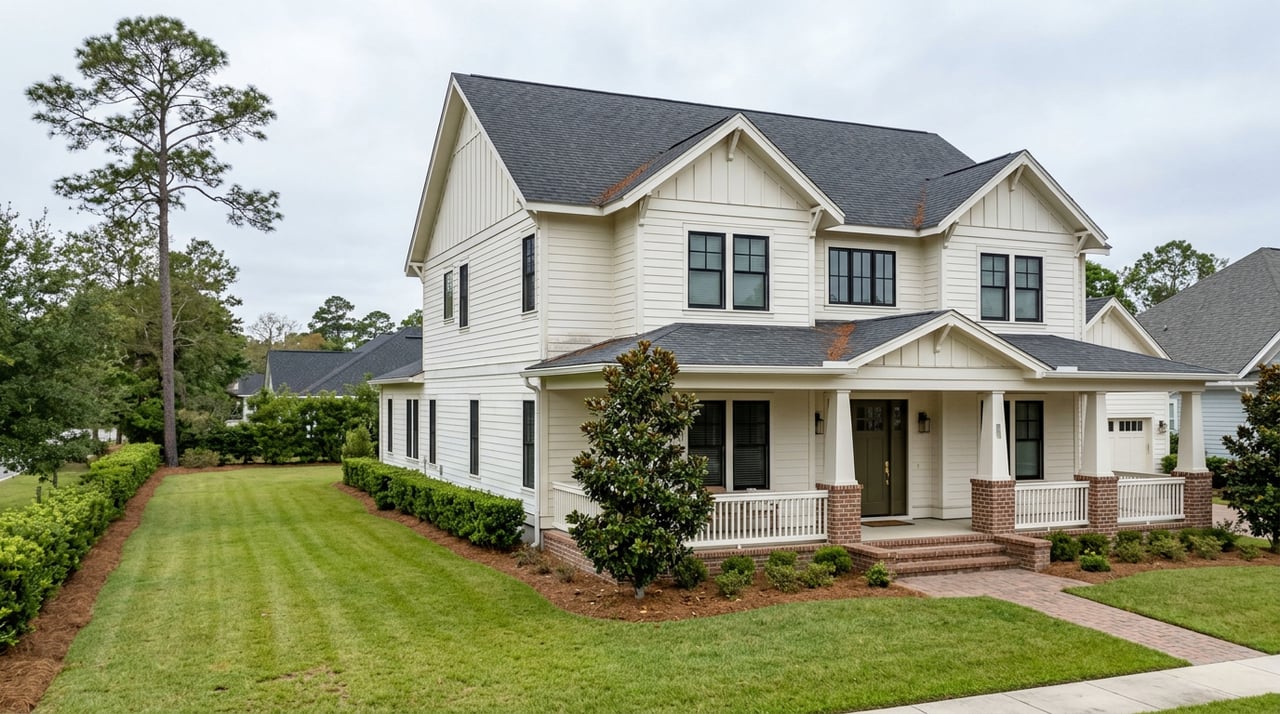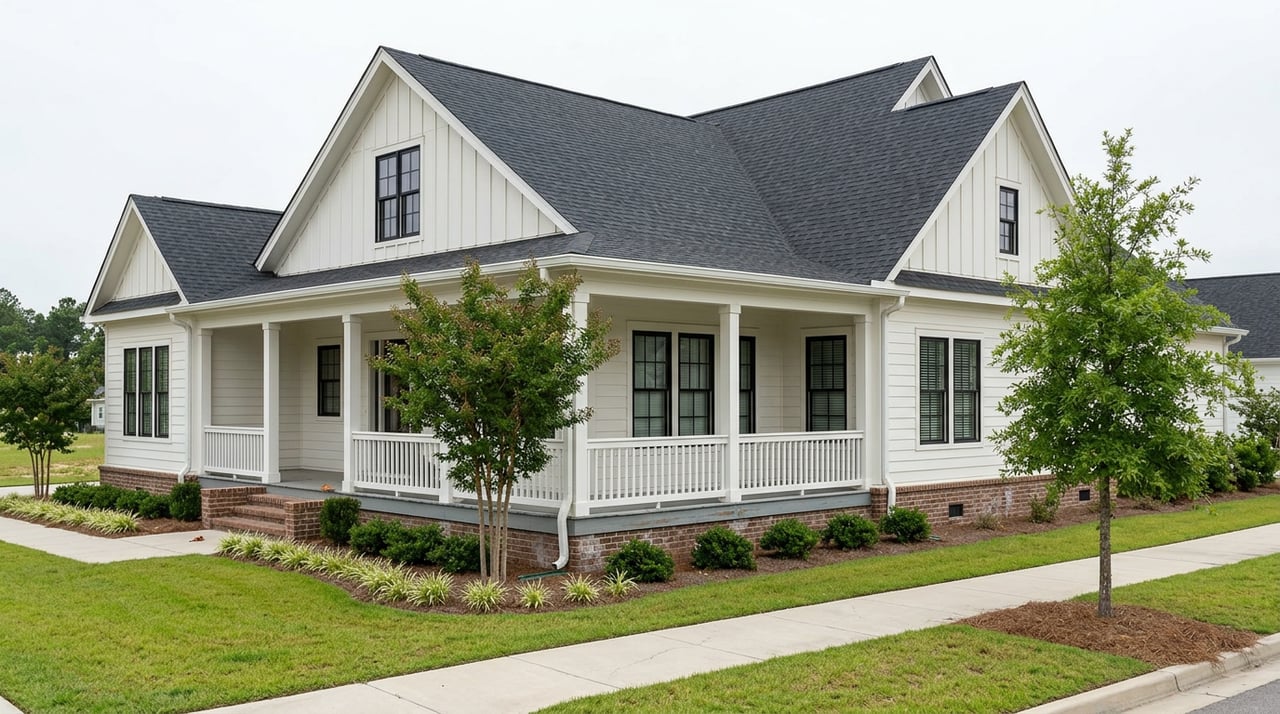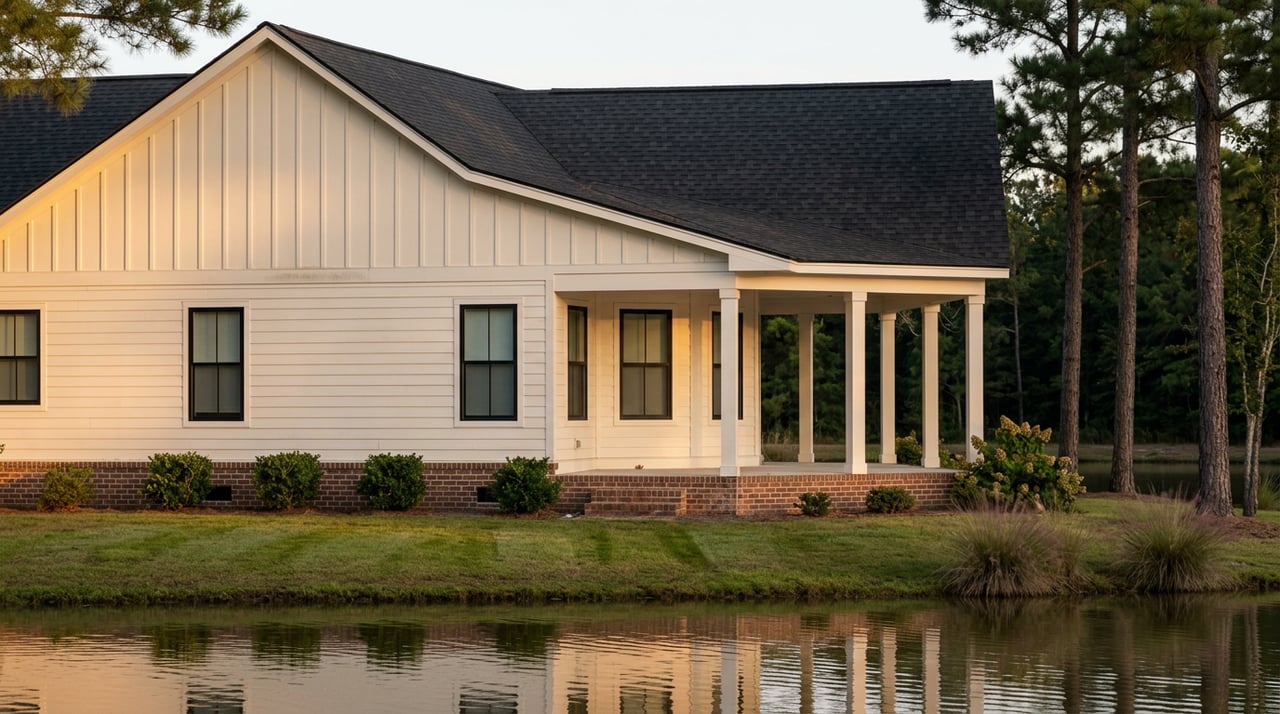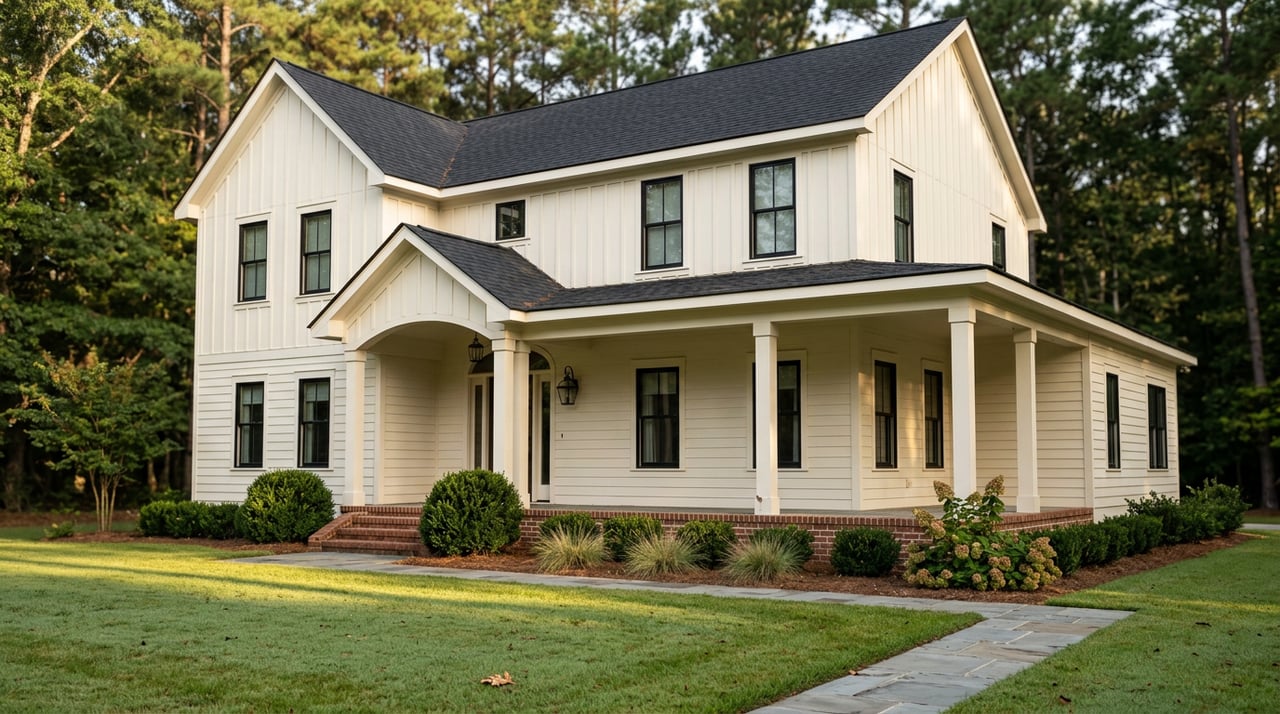
"Historic structures were built with elements meant for repair, not replacement." That line came out of a Southern Pines Historic District Commission meeting in August 2025, reported by The Pilot, and it was about window sashes on two town-owned buildings downtown. It is also, without anyone intending it, the best one-sentence explanation of what buying inside the district actually commits you to.
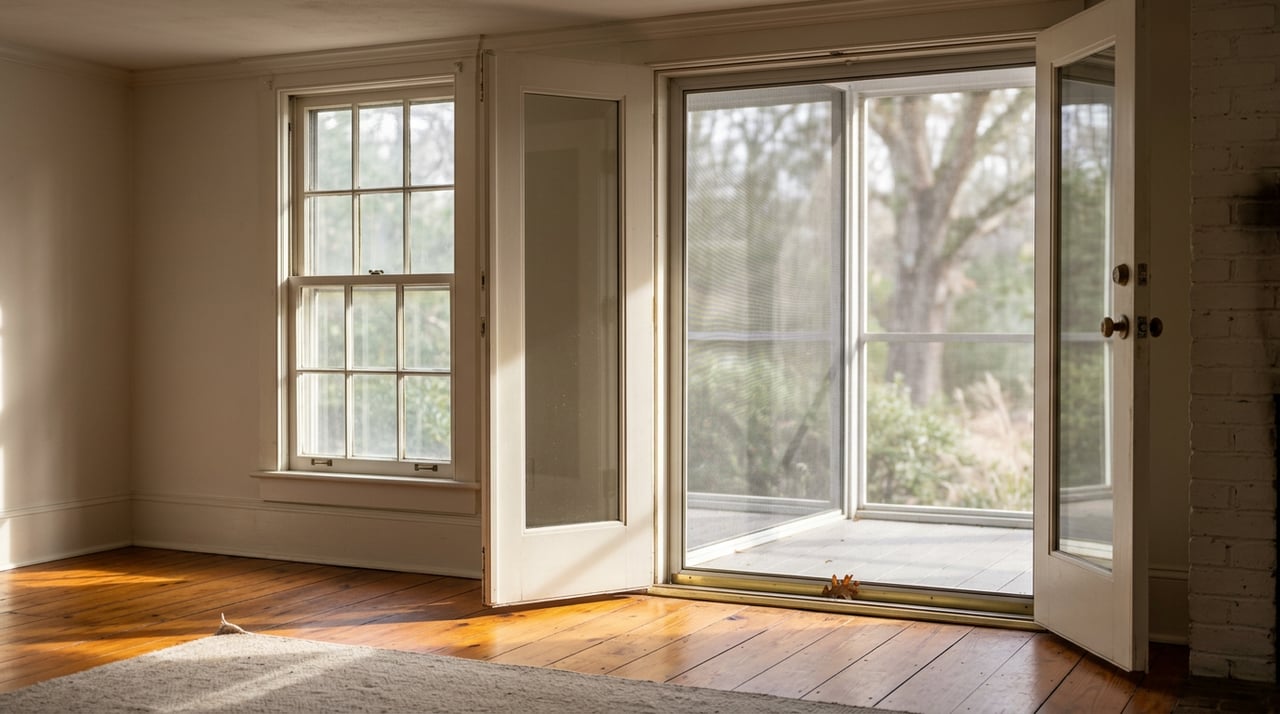
Most people who tour a downtown Southern Pines cottage fall for the porch, the heart pine floors, the sash windows that catch afternoon light differently than anything built after 1980. What they don't always clock is that the same features that make the house desirable are the ones a town commission has authority over the moment you own it. The charm and the paperwork are the same thing, and treating them as separate is where buyers get surprised.
The Label on the Deed You Might Not Notice
Southern Pines' historic district is listed on the National Register of Historic Places, and within it, individual properties carry a designation as either "contributing" or "non-contributing" to that listing. A circa-1915 cottage on South Ashe Street, listed for sale this past summer, is a clear example: the district's National Register continuation sheet calls out its screened porch, French doors, sash windows, rear additions, and central corbelled-cap chimney as the specific features that earn it contributing status.
That label is not decorative. It is the basis the Historic District Commission uses when it reviews any exterior change you might want to make. Two houses on the same block, one contributing and one not, can face different levels of scrutiny for the identical project.
What a Certificate of Appropriateness Actually Gates
Inside the district, most exterior work needs a Certificate of Appropriateness, or COA, from the Historic District Commission before you touch it. The commission evaluates applications against criteria written into the town's own development ordinance, Section 2.28.10, and the process branches in a way that matters to anyone planning a timeline.
Some projects can be approved at the staff level in as little as a week. Others have to go before the full commission at a public hearing, and under North Carolina law, no local preservation commission can take longer than 180 days to reach a decision on a COA application. Once granted, a certificate is generally valid for one year to start the work. Routine maintenance and interior changes are exempt, so you can gut a kitchen without asking anyone's permission. Replace the windows, repaint the trim in a color that isn't on the town's own approved historic district palette, or swap a roofline, and you're back in front of the commission.
That palette is a real, documented list, not a vague suggestion. The town publishes an approved local historic district color palette with specific reference codes, and a repaint that strays from it can trigger the same review as a larger project. The August 2025 window debate downtown was exactly this kind of question: whether vinyl-look replacement sashes were close enough to the originals to pass, or whether repair was the only appropriate path. The commission's instinct, repair over replacement, is the default a buyer should assume applies to their own house too.
The Loan Officer Question Nobody Asks First
Here is the part that gets skipped in most historic-home guides, and it matters specifically to Meese Property Group's relocating and military clients. Historic properties are less likely to qualify for the loan products that require little or no money down. Lenders generally assume older homes carry more deferred maintenance and lower energy efficiency, which pushes historic-district purchases toward conventional financing rather than VA, FHA, or USDA loans.
For a family relocating on a PCS timeline who is counting on a zero-down VA loan, that is not a footnote. It can be the difference between the walkable downtown bungalow and a newer build a few blocks outside the district line. The house itself hasn't changed. The financing math around it has.
What the 2026 Numbers Are Actually Saying
Here is where the district's current market data stops looking like a simple price story and starts looking like a buyer-pool story.
| Metric (3 months ending June 2026) | Southern Pines | Year-over-year change |
|---|---|---|
| Median sale price | $558,000 | up 3.4% |
| Median price per square foot | $230 | down 11.7% |
| Average days on market | 52 days | up from 17 days |
Read those three lines together and they don't agree with each other the way you'd expect. If demand were simply cooling, price per square foot and median price would move the same direction. Instead, the headline price is rising while the per-square-foot figure is falling and the time it takes to sell has roughly tripled.
The most consistent explanation is that Southern Pines isn't one market right now, it's two. New Craftsman-inspired construction elsewhere in town is selling at a premium per square foot and moving the median up. Meanwhile, the older, smaller, harder-to-finance homes inside the historic district are taking longer to close, not because buyers don't want them, but because fewer buyers can clear the financing and renovation-timeline hurdles fast enough to make an offer stick. Days on market went up for the district's homes at the same time the town's overall median kept climbing. That gap is the tell.
If you're a seller inside the district, this means your home is very likely still worth what you think. It also means you need a buyer pool that's already sorted itself into conventional financing before they walk through your door, and that takes longer to find.
If you're a buyer, it means the extra weeks a historic listing sits isn't necessarily a red flag. It might just mean the last three buyers who looked at it couldn't get a VA loan to work.
Practical Steps Before You Write an Offer or List
A few things worth confirming before either side of a historic-district transaction moves forward:
- Ask whether the property is documented as contributing or non-contributing to the district's National Register listing, and get that in writing rather than assuming from the exterior.
- If you're a buyer planning any exterior renovation, ask your agent whether the project would need a Certificate of Appropriateness before you finalize financing contingencies, since a major-works review can stretch toward that 180-day ceiling.
- If you're using VA, FHA, or USDA financing, confirm with your lender early whether the specific property will qualify, rather than after you're under contract.
- If you're selling, mention the town's approved paint palette and the general repair-over-replacement posture of the commission in your listing conversations. It sets expectations before a buyer falls in love with a color scheme they can't actually paint.
- Budget renovation timelines around the commission's meeting schedule, not just contractor availability.
A Few Questions Worth Settling Upfront
Does a non-contributing property inside the district still need a COA? Yes. Location inside the boundary, not just the contributing label, is generally what triggers review for exterior work.
Can I do interior renovations without asking the commission? Yes. Interior arrangement and use are outside the commission's review, along with routine maintenance that doesn't change how the exterior looks.
How long does a Certificate of Appropriateness last once it's issued? Generally one year to begin the approved work, though the specific instrument controls that timeline.
The historic district is one of the things that makes downtown Southern Pines feel the way it does, and none of this is a reason to avoid it. It's a reason to walk in with a clearer picture of what you're actually buying: a house, a set of protected features, and a process that runs on the town's calendar as much as yours.
If you're weighing a historic-district property against new construction, or trying to figure out how a VA timeline lines up with a COA timeline, Meese Property Group works these questions daily across Southern Pines and the surrounding Sandhills. Request a Personalized Consultation and we'll walk the specifics with you before you write the offer.