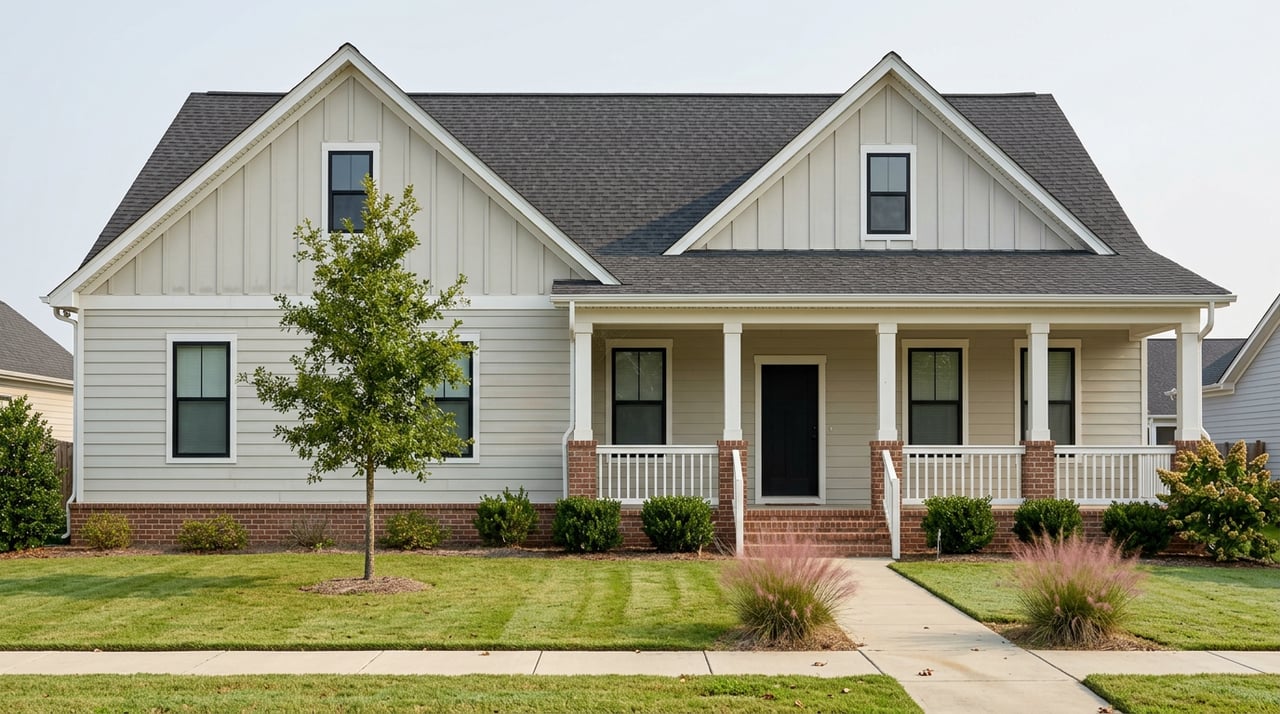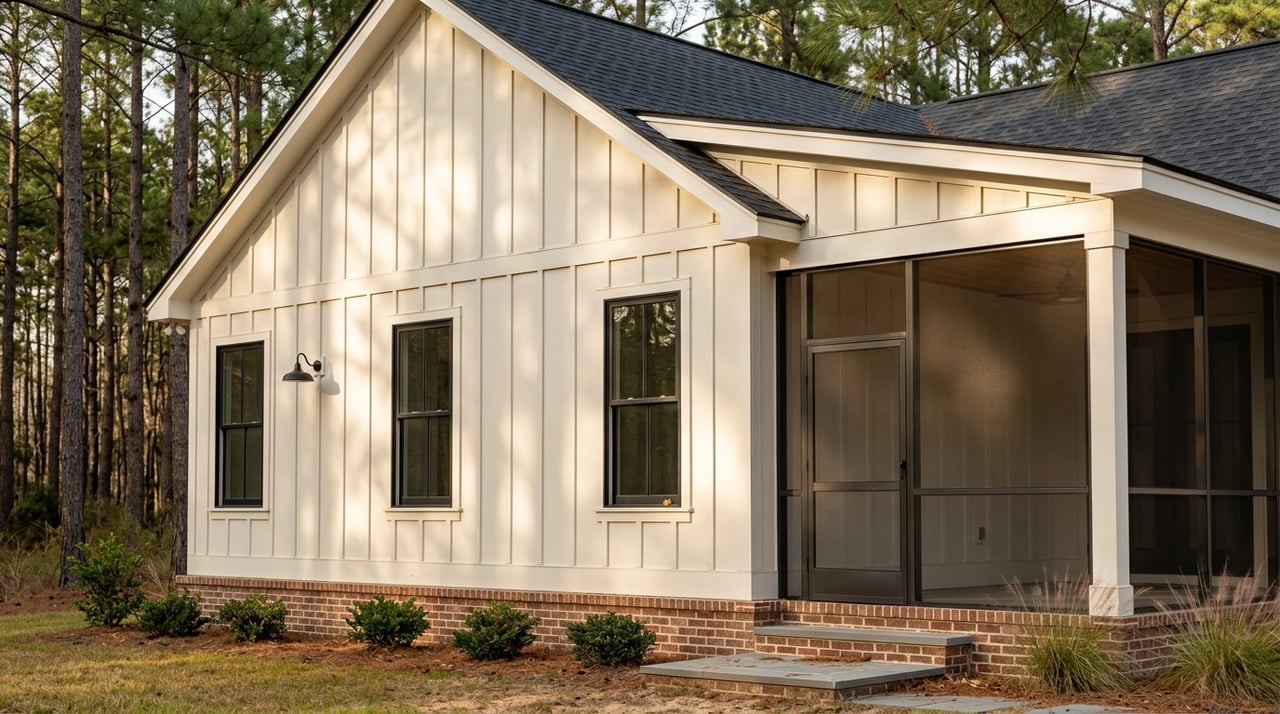
Two farms come on the market the same week. Both sit on roughly ten acres. Both have a center-aisle barn, fenced paddocks, and a house that needs updating. One lists at $650,000. The other lists at $1.1 million. Nothing in the photos explains the gap.
The gap is real, and it isn't about square footage. It's written into the deed.
Southern Pines has one of the most concentrated equestrian submarkets in the Southeast, and its pricing follows rules that don't show up on the portals. A buyer who reads the town median and assumes horse farms scale linearly from there will misread almost every listing they tour. The mechanism that sets price here is a layered stack of access rights, easement status, and proximity to a small number of named institutions. Get those three variables right and the comps make sense. Get them wrong and you either overpay or lose the property you actually wanted.
The three tiers of Walthour-Moss access
The single largest price driver in Southern Pines horse country is how a property connects to the Walthour-Moss Foundation. The Foundation preserves over 4,000 acres of longleaf pine and open riding land one mile from downtown Southern Pines, open sunrise to sunset every day, and the fact that it will "never fall victim to bulldozers and concrete" is the reason the surrounding land trades at a premium at all. Access to that 4,000 acres comes in three flavors, and each one carries a different number.
Direct hack. The property physically touches WMF or sits across a quiet road from an access point. Listings describe this as "a short hack to Walthour-Moss" or "backs up to the Foundation." Riders can tack up in the barn and be on Foundation trails in minutes without loading a trailer. This is the top of the market.
Deeded easement. The property has legal, recorded access to WMF through neighboring land, even if it doesn't share a boundary. Listings in this tier often name the access road, and one active offering explicitly references a "deeded access easement from Devins Dr." The right survives the sale. It is a real, transferable asset.
No access. The property is inside horse country by geography and culture but has no recorded right to enter WMF. The owner can still ride locally, board elsewhere, or trailer in. The land is beautiful, and it may sit next to horse farms on every side. It does not carry the WMF premium.
Two ten-acre farms with the same barn can land in different tiers, and that alone can explain a six-figure spread. When a buyer's agent pulls comps, the first question isn't acreage. It's access class.
What a conservation easement actually trades
The second variable most buyers underweight is whether the land is under a conservation easement. Several Southern Pines horse farms are protected through the Three Rivers Land Trust, which permanently restricts subdivision and development in exchange for the ownership benefits that come with donated conservation.
For a working equestrian buyer, an easement is often a feature. It guarantees that the neighboring pastures stay pastures, that the viewshed stays intact, and that the trail network doesn't get carved into cul-de-sacs. For a buyer thinking of the land as a future development play, it is a hard ceiling.
The right question isn't whether an easement is good or bad. The right question is what it does to the pool of buyers you'll eventually resell to. An easement narrows that pool to equestrian buyers and conservation-minded owners. That narrows liquidity. It also tends to hold price stable in soft markets, because the buyers who want protected land aren't shopping on cap-rate math. Ask your agent to pull the recorded easement documents before you write an offer. What's restricted, what's reserved, and what conveys with the deed are all in there.
The proximity premium no listing mentions out loud
Beyond WMF, three other named institutions push value up when a property sits close to them:
- Carolina Horse Park. The 250-acre venue holds 192 permanent stalls, six championship-level cross-country courses, show rings, a derby field, and the steeplechase track that hosts the annual Stoneybrook Steeplechase. Farms within an easy trailer ride of the Park attract eventers, hunter-jumper riders, and dressage competitors who need to school and show without a hotel booking.
- Moore County Hounds Kennels. Foxhunting is not decoration here. It is an active sport with a fixture calendar. Farms within a short hack of the kennels trade at a premium among the hunt community.
- The Village of Southern Pines and Weymouth Center. Proximity to downtown, the historic Weymouth Center for the Arts and Humanities, and the shops and restaurants along Broad Street matters even for full-time equestrians. The blend of ten-acre country living and a walkable town core is rare, and the market knows it.
None of these show up on a listing sheet as a line item. They show up in the price.
Reading the July 2026 numbers through this lens
The town-wide numbers, taken alone, are misleading for anyone shopping horse country. In July 2026, Southern Pines homes were listed at a median price of $536,000, at $241 per square foot, with a median 60 days on market. The Redfin cut for horse-farm-tagged listings in Southern Pines put the median at $565,000, with typical time on market closer to 82 days.
Those medians blend three different products: in-town cottages, golf-community homes, and horse farms. The horse-farm slice sits on top of the underlying acreage market, which is why active offerings in the true horse-country corridor commonly cross seven figures once you layer in direct WMF access, updated improvements, and multiple barns.
Zoom out one level and the picture gets sharper. According to the DMJPS North Carolina Economic Report drawing on Federal Housing Finance Agency data, Pinehurst was one of only five North Carolina metros to exceed both the state and national appreciation rates in Q2 2025. That's the Pinehurst-Southern Pines CBSA. The land under Southern Pines horse country has been outperforming the state average, even as the raw median in town has moved in fits and starts.
The pattern is consistent: land that carries a recorded right to ride, or that sits within the sensory footprint of the Foundation, holds value differently than land that doesn't. The deed does the pricing.
What this changes about your offer
If you are writing an offer on a Southern Pines horse farm, three questions matter more than the price per square foot.
- What class of WMF access does the property have, and does it convey? Ask for the recorded easement or deed language. "Everyone in the neighborhood rides there" is not a legal access right.
- Is any portion of the land under a conservation easement, and with which trust? The easement holder, the restricted uses, and any reserved building envelopes are all recorded. Read them before you sign.
- What is the property's practical distance to the Carolina Horse Park, the Moore County Hounds fixtures, and downtown Southern Pines? These affect resale liquidity more than the barn's stall count.
Sellers listing in this submarket should think about the same three variables in reverse. A farm with direct WMF access and an active easement should be marketed on those terms, with the recorded documents ready to hand to a serious buyer's attorney. A farm without recorded access needs a different comp set and a different story.
FAQ
Does buying a horse farm here require a farm-use tax exemption? Not automatically. North Carolina's present-use value program has acreage and income thresholds, and some Southern Pines farms qualify while others don't. Confirm the current tax status with Moore County before assuming the seller's bill carries over.
If a property is under a conservation easement, can I still add a barn or an apartment? It depends on what the easement reserved. Many working equestrian easements preserve the right to build equestrian improvements and a limited number of dwelling units within defined envelopes. The document controls. Never rely on verbal assurances from a listing agent.
How much of the year is Walthour-Moss actually usable? The Foundation is open sunrise to sunset every day. The Sandhills' sandy footing drains fast, which is a large part of why the equestrian community settled here, and the mild winters keep footing rideable in months when much of the Northeast is frozen or muddy. Weather closures are rare.
Southern Pines horse country rewards buyers who read the deed as carefully as they read the listing. The land, the access, and the easement together tell you what the property is worth, and they'll still be telling you five years from now when it's time to sell.
If you're weighing a farm in the WMF corridor, or preparing to list one, the team at Meese Property Group can walk you through the recorded documents, the comp set that actually applies, and the buyer pool your property will attract. Request a Personalized Consultation and we'll build the plan around the specifics of your parcel.