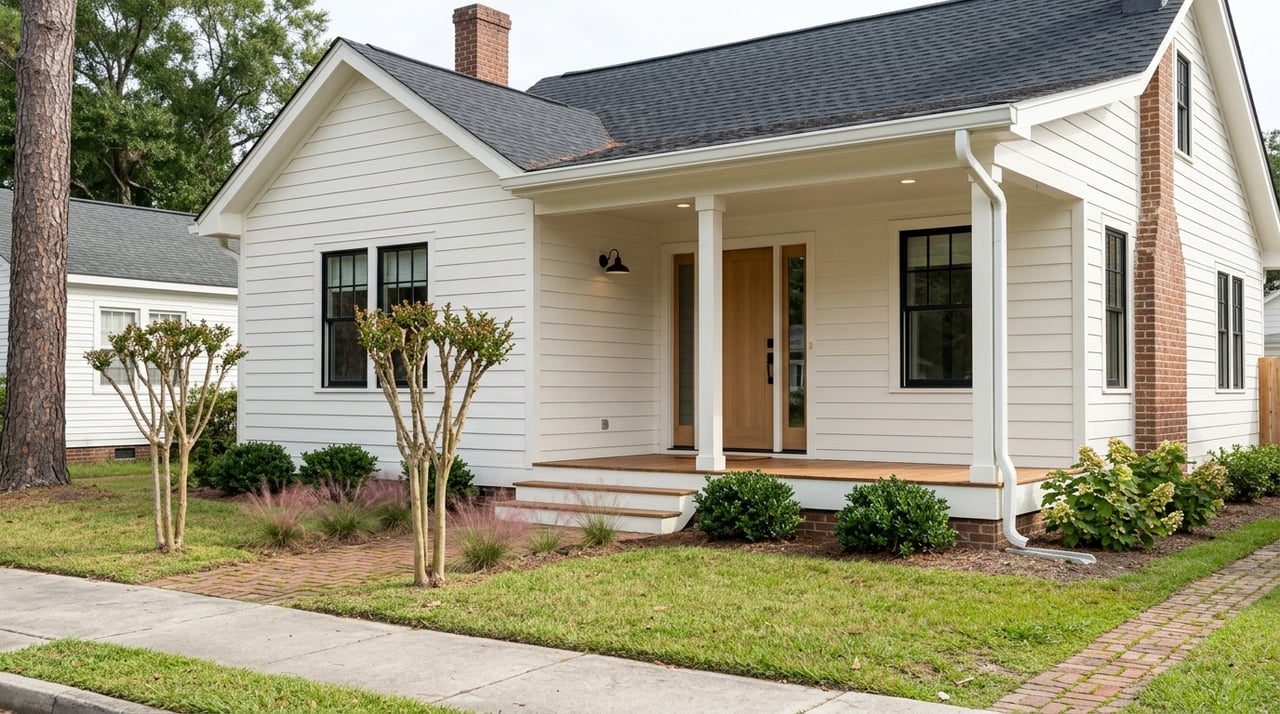
Wondering whether Carthage is a better fit for a historic home with character or a newer build with modern convenience? You are not alone. If you are comparing homes in Moore County, Carthage stands out because it offers a mix of architectural history, older neighborhood housing, and newer subdivision growth at price points that may feel more accessible than some nearby markets. This guide will help you understand what kinds of homes you may find in Carthage, what to notice during your search, and how to weigh your options with confidence. Let’s dive in.
Why Carthage Offers Variety
Carthage has a housing story that spans more than two centuries. The town began around a courthouse site selected in 1796, and later growth from the Tyson and Jones Buggy Company helped shape much of the older housing stock that still gives the town its character today.
That history matters because it created a market with several overlapping home styles. In Carthage, you can find historic homes near downtown, older single-family homes beyond the core, and newer construction on the edges of town as growth continues.
Carthage also looks different from some nearby Moore County markets in terms of price. Census data shows a median owner-occupied home value of $208,200 in Carthage, compared with $351,400 for the Pinehurst-Southern Pines metro and $288,900 statewide. While every home and neighborhood is different, that gap suggests Carthage may offer more attainable entry points for buyers who want to stay in Moore County.
Historic Homes Near Downtown
If you are drawn to older homes, the Carthage Historic District is the clearest place to see the town’s architectural roots. This area contains the largest and most intact concentration of historic residential development in town, with homes dating largely from about 1850 through World War II.
You will see a wide range of styles in this part of Carthage. The district includes Greek Revival, Italianate, Victorian Gothic Revival, Queen Anne, Neo-Classical Revival, Colonial Revival, and Craftsman buildings, which gives buyers a lot to compare in terms of curb appeal, layout, and maintenance needs.
Common historic style details
Some style features are easier to spot once you know what to look for. Queen Anne homes often include towers, irregular shapes, and decorative woodwork. Colonial Revival homes tend to look more balanced, often with centered entry features or formal porch details.
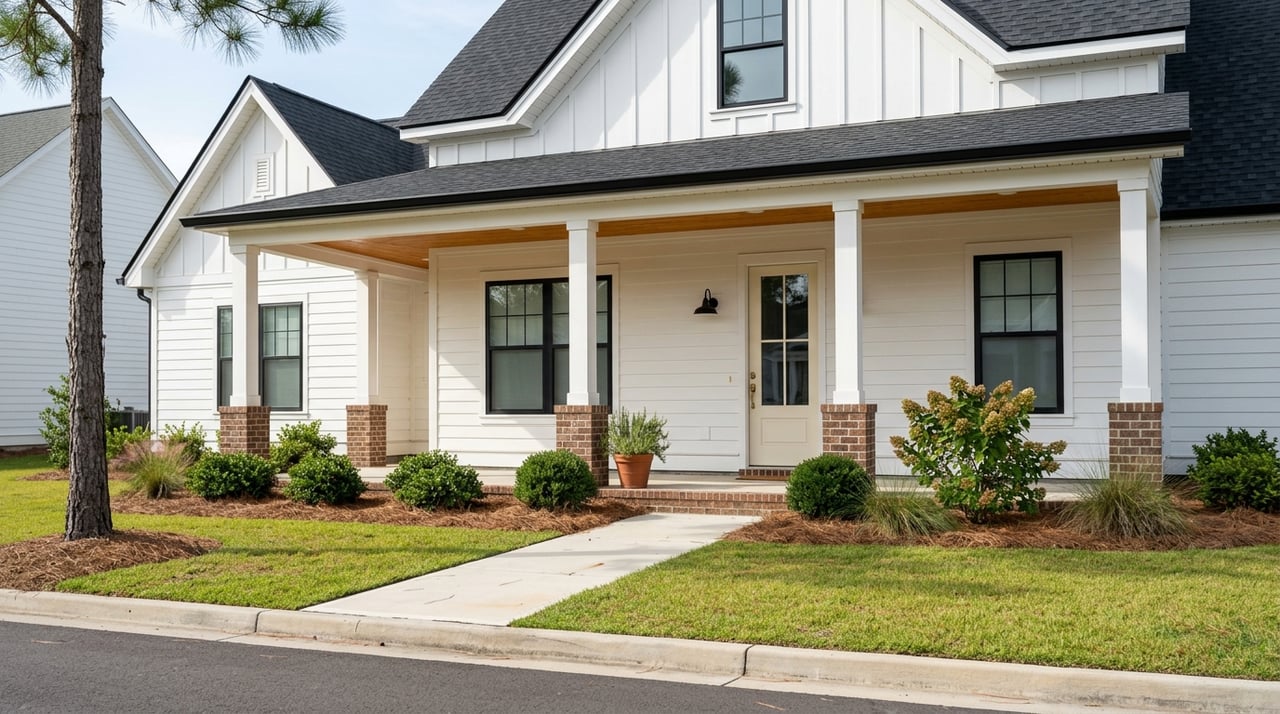
You may also see homes that blend styles. In Carthage, Queen Anne and Colonial Revival hybrids can combine asymmetrical forms with classical porch columns and bay windows. Bungalow and Craftsman houses often bring lower profiles, inviting porches, and details like exposed rafter tails or brick mantels.
What historic-home buyers should notice
Older homes can offer charm that is hard to duplicate in new construction. At the same time, they often need a more careful review during showings and inspections.
In parts of the historic area, lot conditions matter just as much as architecture. Along McReynolds Street, for example, some homes sit below street grade or on sloping lots. That makes drainage, grading, foundation moisture, and retaining walls especially important to evaluate.
Older Neighborhood Homes Beyond Downtown
Carthage’s older housing is not limited to the formal historic district. The town’s residential fabric extends beyond downtown, including areas like Needmore north of NC 24-27, which the town describes as mostly single-family residential with a few churches and business uses mixed in.
This matters if you want an older home without necessarily buying a landmark-style property. You may find homes with mature lots, established street patterns, and a more lived-in neighborhood feel outside the historic core.
The housing mix also reflects more than one era. Even within the historic district, there is later infill that includes ranch-type houses and other postwar forms. That means older neighborhoods in Carthage can include everything from prewar architecture to simpler mid-century layouts.
What this means for your search
If you like established neighborhoods, Carthage gives you options. You might prefer a classic front porch home near downtown, a postwar ranch in an older pocket, or a property outside the core with a little more separation between homes.
This variety can be useful if you are balancing style, condition, and budget. It also means your search should focus on the specific property, lot, and update history rather than assuming every older home will offer the same experience.
New Construction in Carthage
Carthage is also planning for future growth, not just preserving its past. The town’s 2040 Land Use Plan, UDO update, and downtown revitalization work all point to continued change, with an emphasis on housing, mixed-use development, and neighborhood-scale retail where appropriate.
For buyers, that means new construction is part of the Carthage story. Public planning notices include Priest Hill, a proposed 134-plus acre planned unit development with townhomes, single-family homes, commercial and flex lots, office commercial space, a commercial outparcel, and a retail center. The town has also reviewed the 35-home Little Subdivision through its planning process.
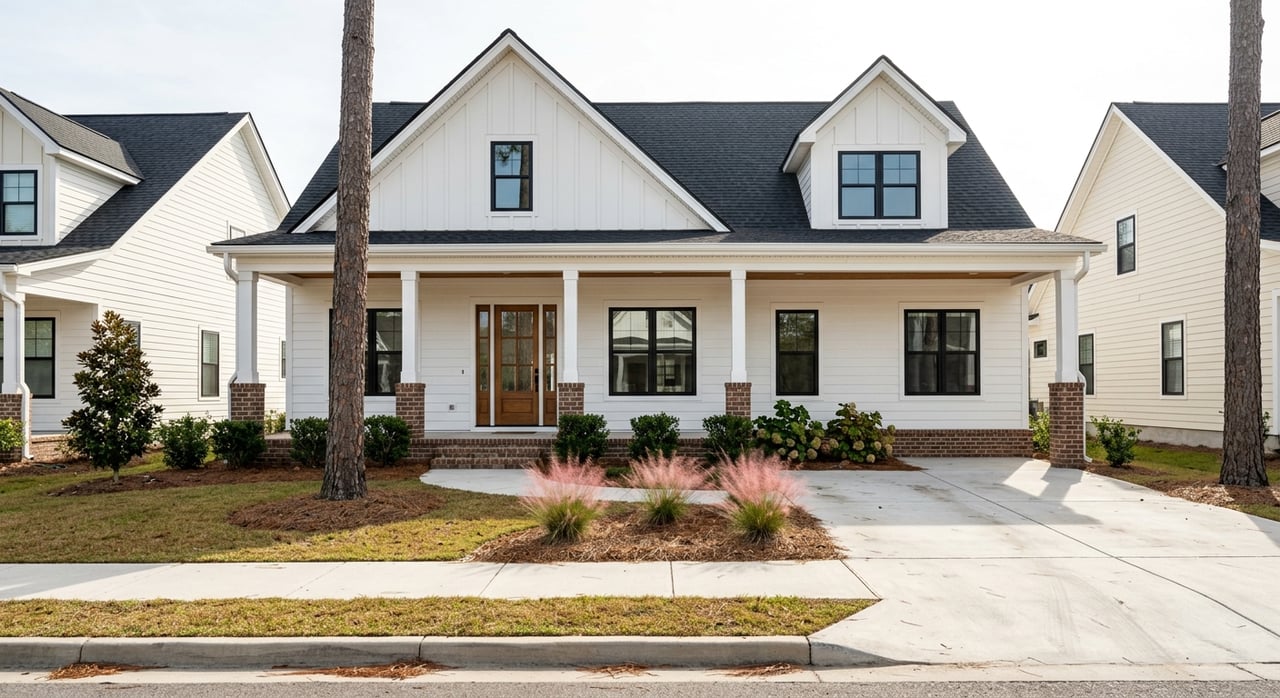
County permit records also show new single-family homes in Carthage at a more suburban scale. Recent examples include two-story homes of about 3,006 to 4,208 square feet with 4 to 5 bedrooms and 2.5 to 3.5 baths.
What newer homes may offer
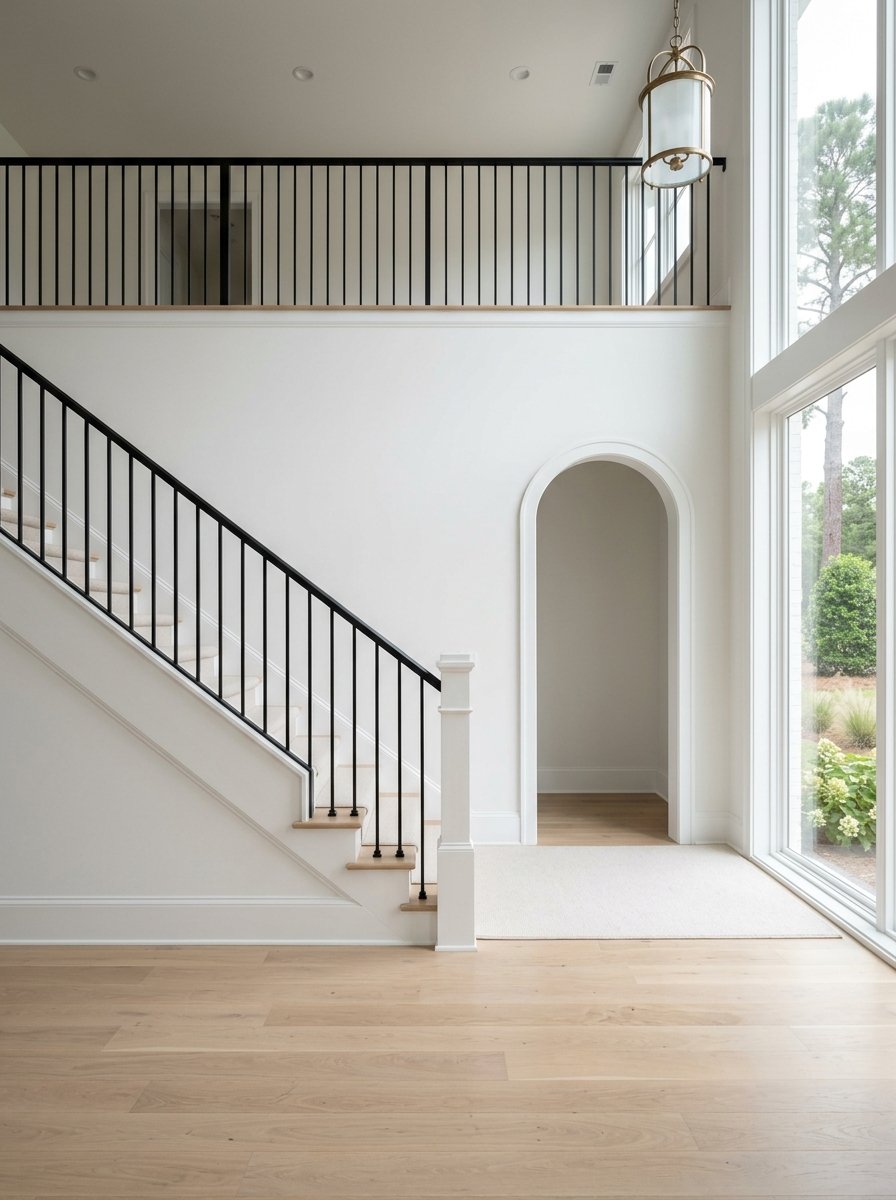
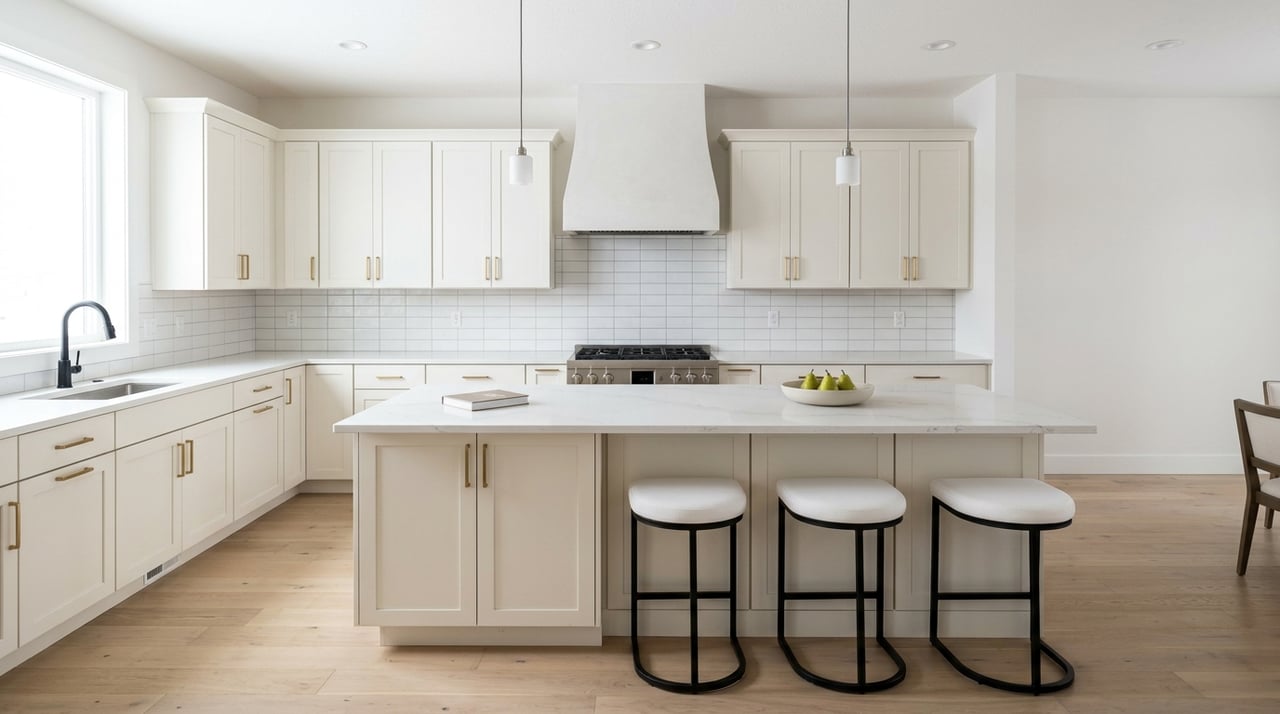
For many buyers, newer construction means a different set of priorities than a historic home. You may be looking for more open layouts, larger square footage, newer systems, and less immediate maintenance.
Newer homes can also be a practical option if you want predictable space planning. In many cases, they align well with buyers who need room for work-from-home setups, guest space, or a flexible layout for long-term living.
Historic vs New Construction
Choosing between an older home and a new build usually comes down to tradeoffs. Carthage is appealing because you can compare both within the same town instead of having to choose one type of market over another.
| Home Type | Potential Advantages | Things to Review Closely |
|---|---|---|
| Historic-core home | Architectural character, established setting, unique design details | Age of systems, drainage, grading, moisture, additions, permit history |
| Older neighborhood home | More established lots, mixed eras, potentially accessible pricing | Update history, condition, layout functionality, utility setup |
| New construction | Modern layouts, newer systems, larger footprints in some cases | Utility connections, grading, stormwater planning, builder documentation |
The right fit depends on what matters most to you. If charm and individuality lead your list, a historic or older home may stand out. If convenience and modern design are your focus, newer construction may feel like the better match.
What To Ask During Showings
No matter which style you prefer, smart questions can help you avoid surprises later. Carthage’s mix of housing types means your questions should match the age, lot, and utility setup of the property.
For older homes, ask what has been updated and when. It is also wise to ask whether there have been signs of water intrusion or settlement and whether additions, decks, garages, sheds, or other exterior structures were properly permitted.
The town notes that zoning permits are required for many projects, including new homes, additions, fences, decks, patios, pools, sheds, barns, greenhouses, garages, and similar structures. Some work may also require building permits through Moore County, so permit history can be an important part of your due diligence.
For newer homes, ask about water and sewer tap status if lines or meters are not already in place. If the property is outside town utility service, septic systems and private wells are handled through Moore County Environmental Health, so records for those systems are worth reviewing.
You should also ask about grading and stormwater details on newer lots. Even in new construction, site conditions can affect how water moves around the property and how the yard performs over time.
Why Inspections Matter In Carthage
A strong inspection process helps whether you are buying a Victorian-era home or a recently built two-story house. Fannie Mae says a home inspection should cover major systems and components such as electrical, gas, plumbing, roofing, insulation and ventilation, heating and cooling, fireplaces and venting, foundation and crawlspaces, exterior grading, and windows and garages.
Timing matters too. The CFPB recommends scheduling the inspection early enough to address issues before closing, and major repairs can affect financing in some cases.
If concerns come up, specialist inspections may make sense. Fannie Mae suggests taking a closer look at issues like pests, radon, asbestos, mold, or lead when those risks are present.
If an inspection reveals serious defects, the next step may depend on your contract terms. The CFPB notes that buyers may negotiate repairs or cancel the contract if it is contingent on a satisfactory inspection, and some loan programs may require repairs before closing.
How To Choose The Right Carthage Home Style
The best way to narrow your search is to think beyond style alone. In Carthage, the real decision often involves how you want to live day to day and what level of upkeep or review you are comfortable taking on.
A few useful questions to ask yourself include:
- Do you want architectural character or a more turnkey feel?
- How important is lot topography and yard layout to you?
- Are you comfortable evaluating permits and update history on an older home?
- Do you want town utilities, or are you open to well and septic if needed?
- Would a newer layout serve your long-term needs better?
Carthage is especially appealing because it does not force one answer. The town offers historic character, older neighborhood variety, and a visible pipeline of new housing, all within a market that may provide a different value conversation than nearby resort-oriented parts of Moore County.
If you want help comparing older homes, newer builds, or both in Carthage, Meese Property Group can guide you through the details with clear local insight and a process built to keep your search focused and informed.
FAQs
What types of home styles can you find in Carthage, NC?
- Carthage includes historic styles such as Greek Revival, Italianate, Queen Anne, Colonial Revival, and Craftsman, along with postwar ranch homes and newer subdivision-style construction.
What should you check when buying an older home in Carthage?
- You should closely review update history, drainage, grading, signs of moisture or settlement, foundation conditions, and whether additions or exterior structures were properly permitted.
What should you ask about a new construction home in Carthage?
- Ask about water and sewer tap status, grading and stormwater plans, and septic or well records if the property is not connected to town utility service.
Are Carthage home prices different from nearby Moore County markets?
- Census data in the research report shows Carthage has a lower median owner-occupied home value than the Pinehurst-Southern Pines metro and North Carolina overall, which may suggest more accessible price points in some cases.
Why is a home inspection important for Carthage properties?
- A home inspection can help you identify issues with systems, roofing, ventilation, grading, foundation areas, and other major components before closing, which is especially helpful when comparing older homes and newer builds.